Simply-put, I do extremely-detailed detailing. My skills, experience, research, methods and tools allow me to offer the following:
Surface-Decontamination & Preparation
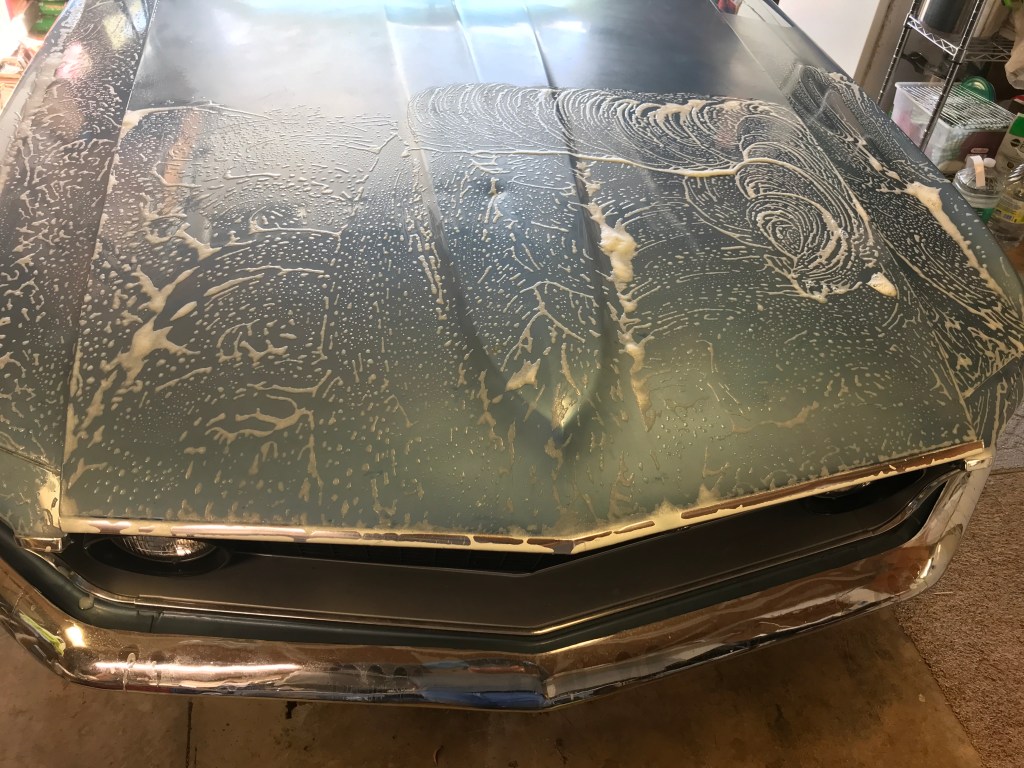


Whether your vehicle is brand-new or 20 years-old, there will certainly be a layer of contamination baked into the surface. I employ purpose-specific soaps, detailer’s clay and tailored techniques that safely pull any and all foreign matter out of your paint. Whether it’s pollen, tree sap, environmental fallout or even iron particles (brake-dust accumulated from typical urban driving), I can turn rough-feeling paint into what feels like butter. If you want an absolutely reflective and deep finish, decontamination is a must.
Compounding & Polishing
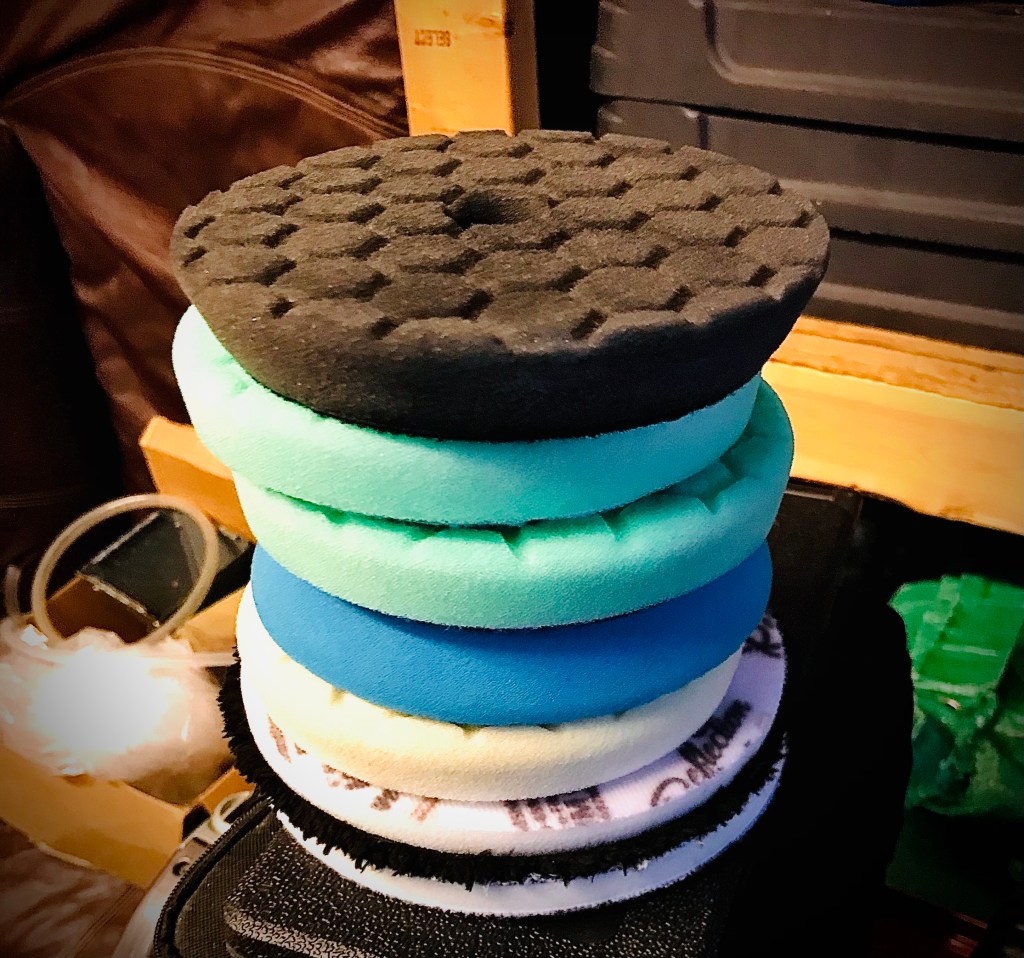
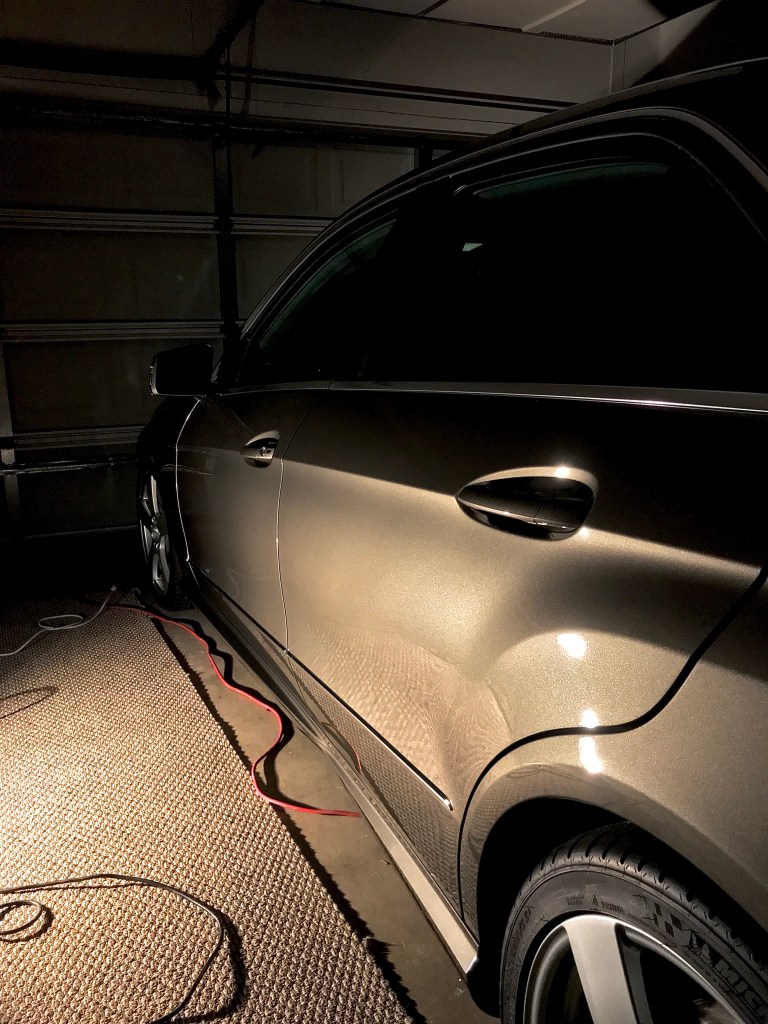
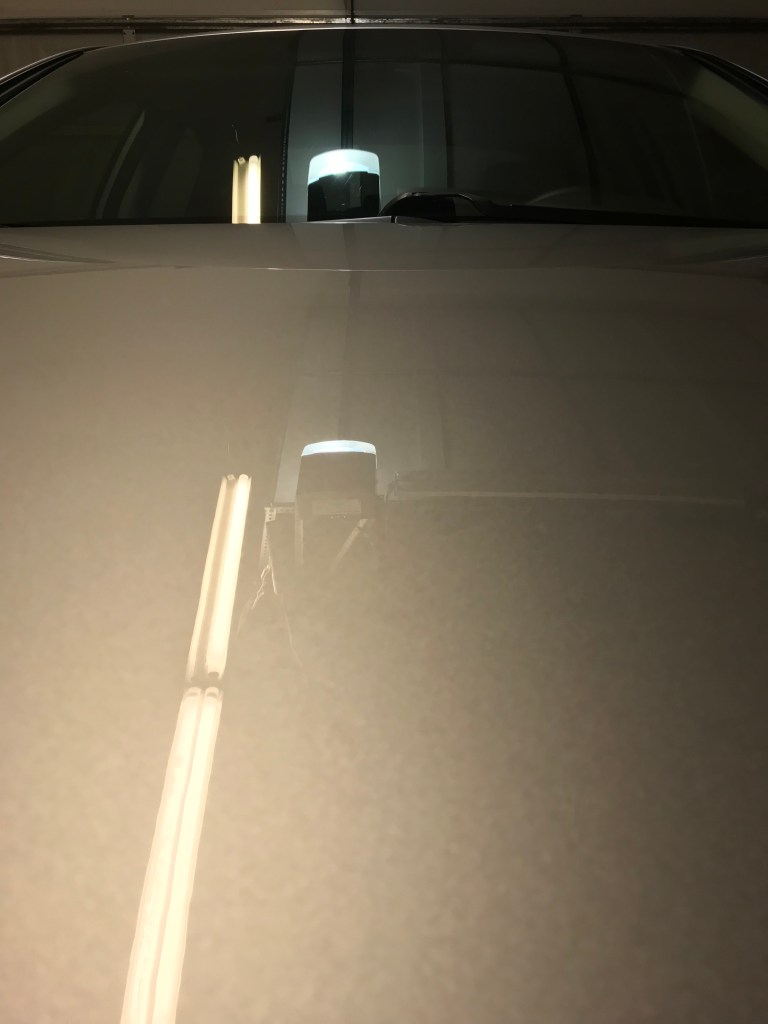

Compounding and polishing are both typically done using dedicated, hand-held machines that rotate a pad holding micro-abrasive liquids. I have a great deal of experience with a variety of polishing tools, pad-types and liquid polishing products. I do my homework and test the best products on the market to ensure my detailing system yields the best result for your vehicle’s given paint-type.
Not all car paints are created equal. German cars typically have very hard finishes, while Japanese cars (except Lexus) are typically so soft that they receive most of their blemishes when washed and dried! Vehicles older than 1990 may even have single-stage paint, where the color and hardener are one combined finish.
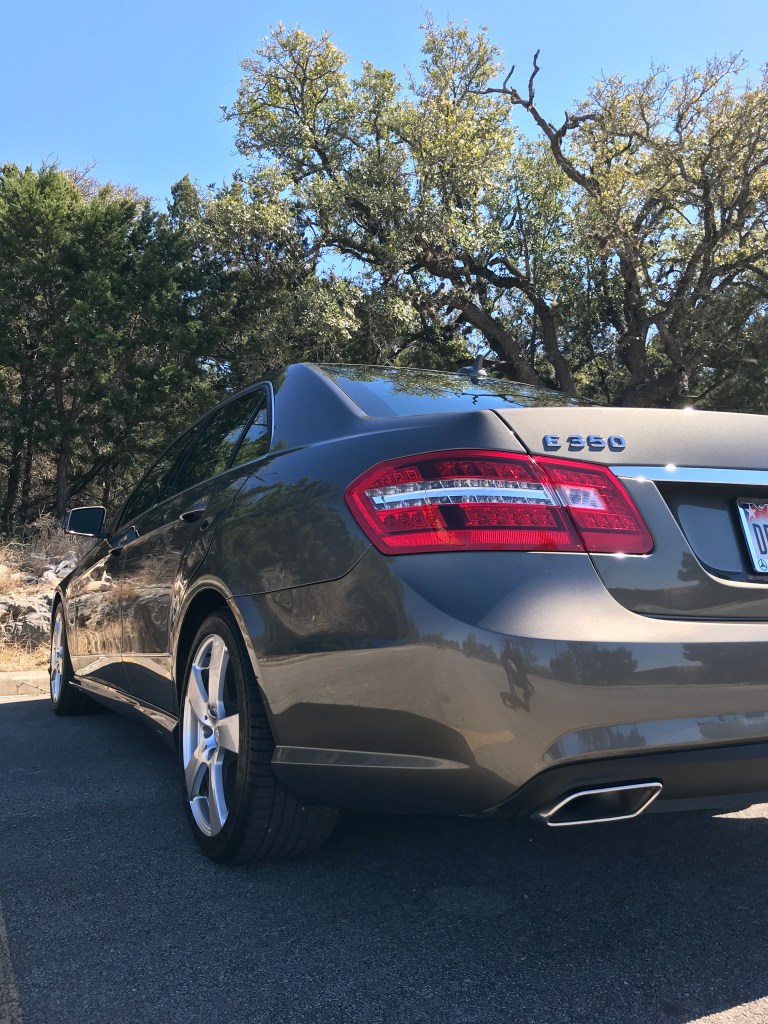
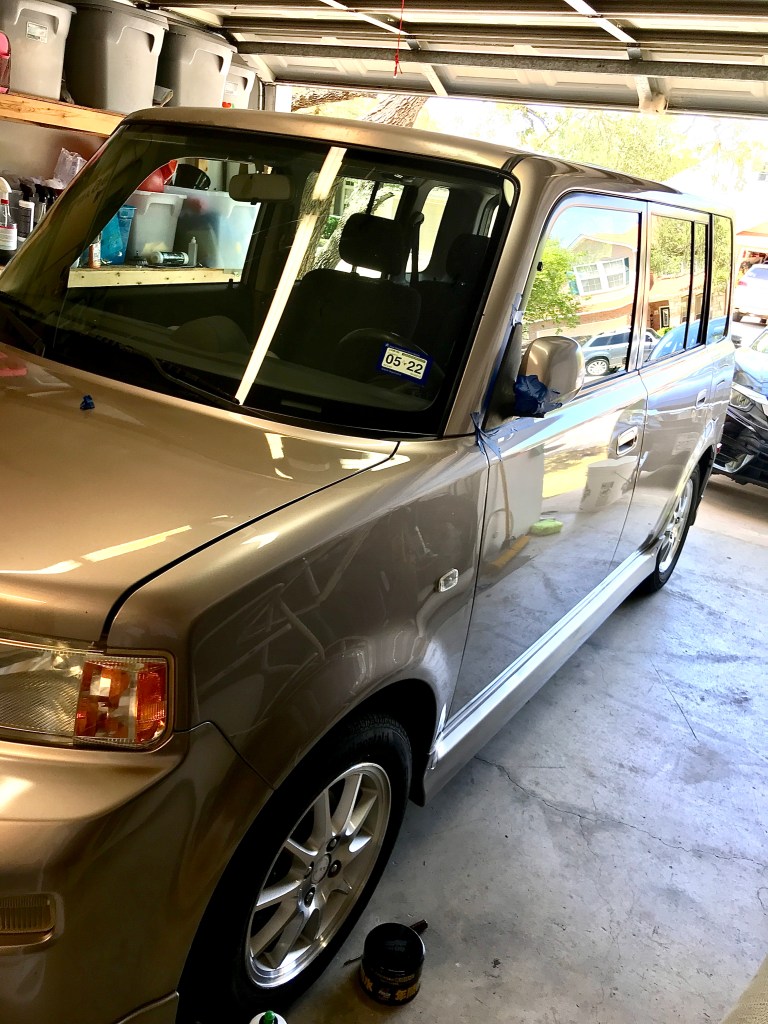

I share this to explain why you want a detailer who understands that each car is unique. I use a systems approach to paint-correction to ensure the right combination of polishers, pads, liquids, cleaners and techniques are used for the specific vehicle I’m restoring.
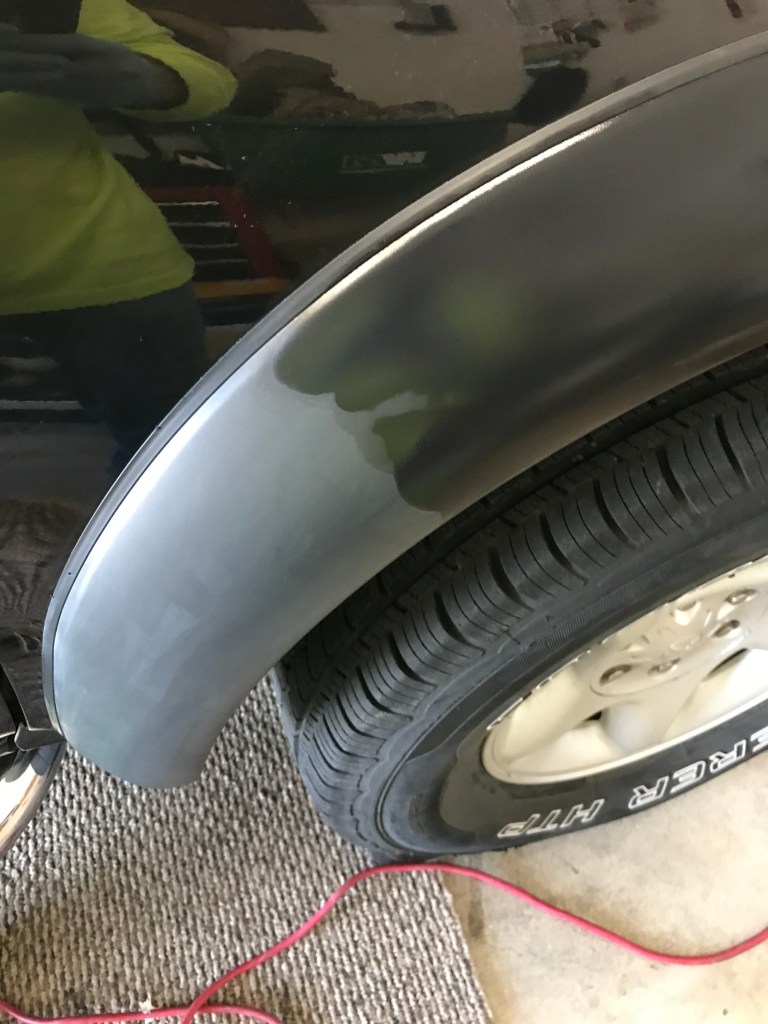
The results from this work can be quite dramatic. Minor scratches, blemishes, overall dullness (guaranteed after numerous drive-thru washes) and even water-etching (mineral stains) can be completely removed or dramatically improved. Paint-correction is a subtractive process; you remove microns of clearcoat to achieve a high-gloss finish. My goal is to perform this work in a way that achieves >95% perfection, but doesn’t compromise your paint’s longevity.
Paint-Protection (Waxes, Sealants & Ceramic Coatings)
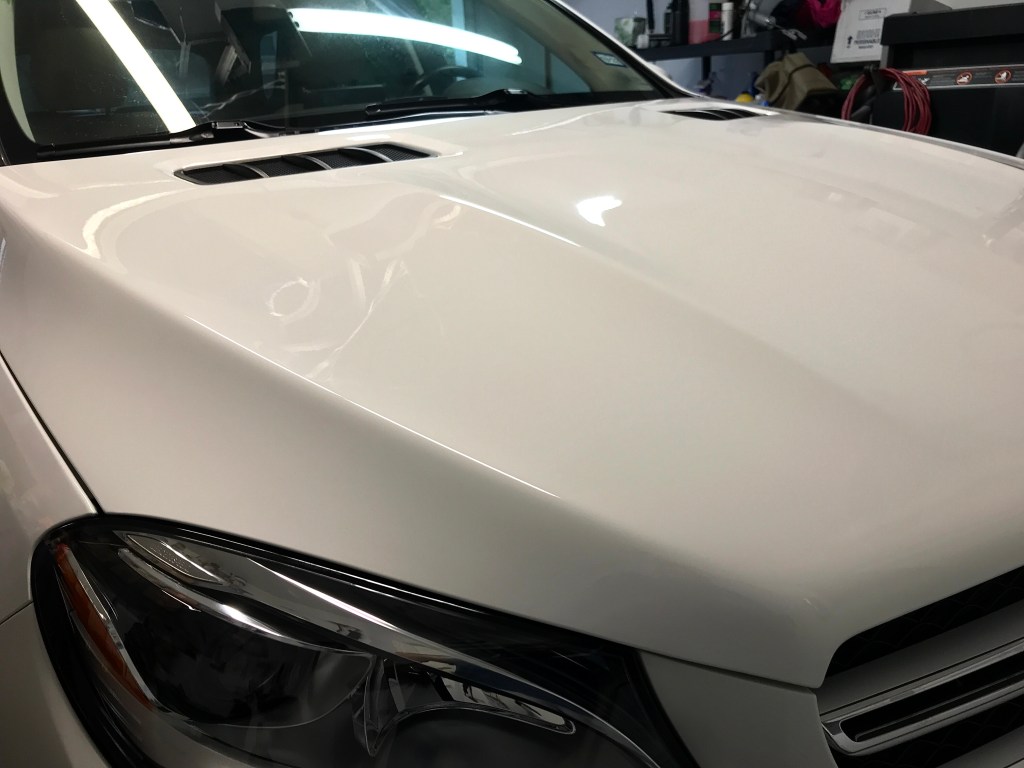

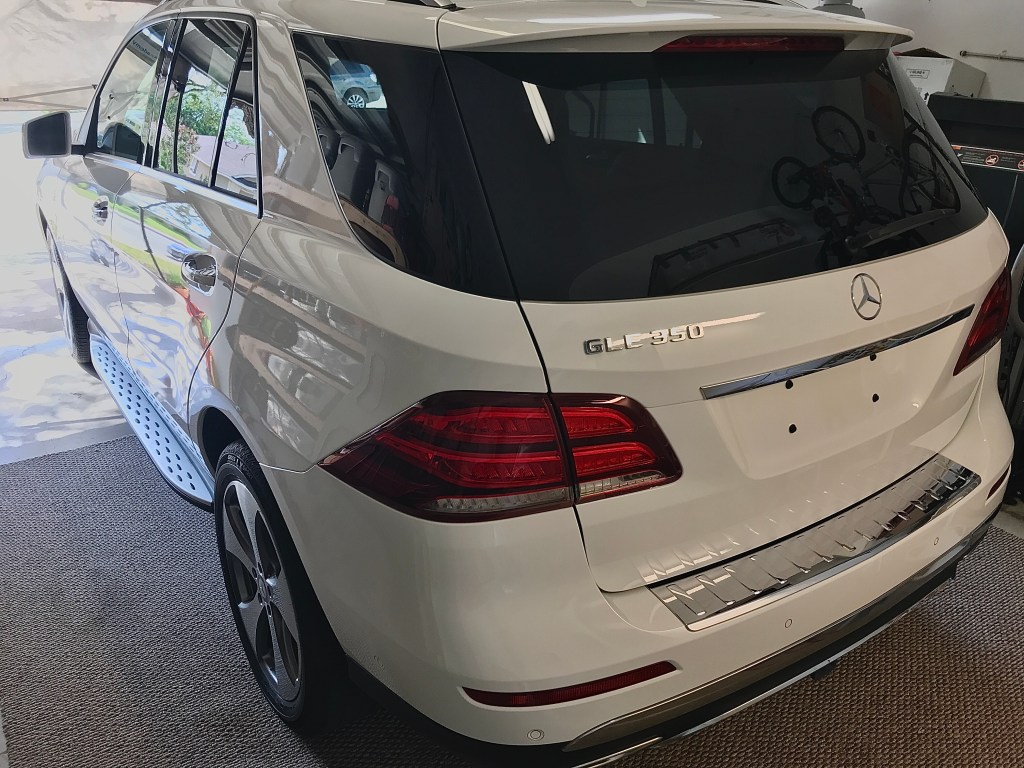
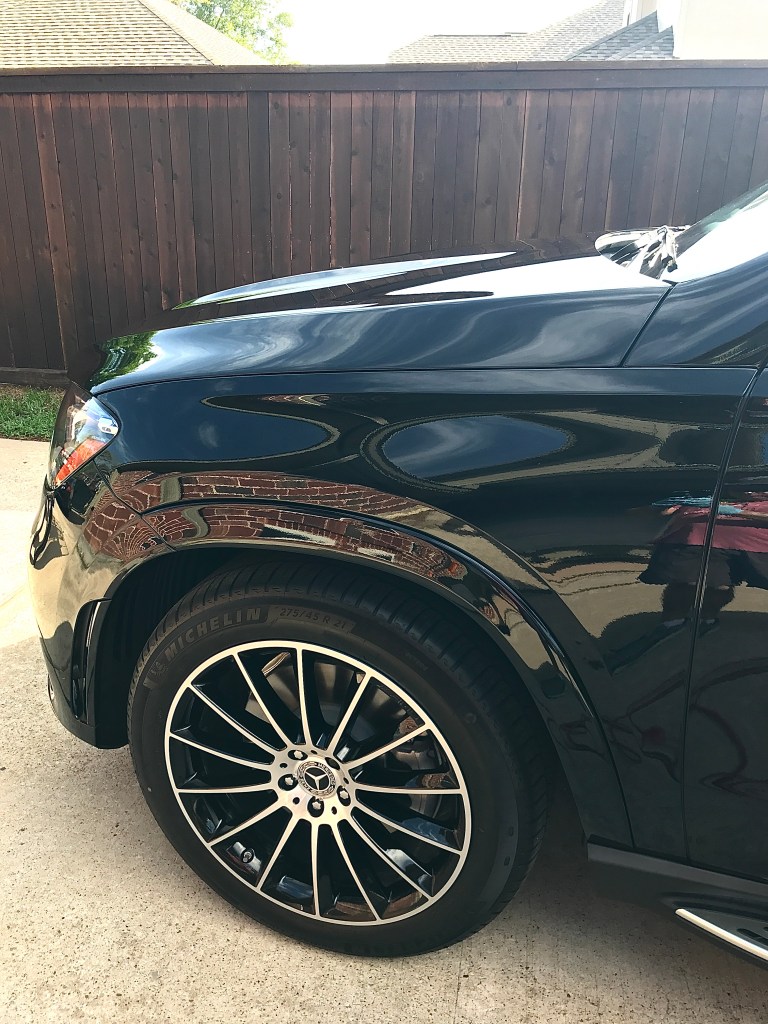


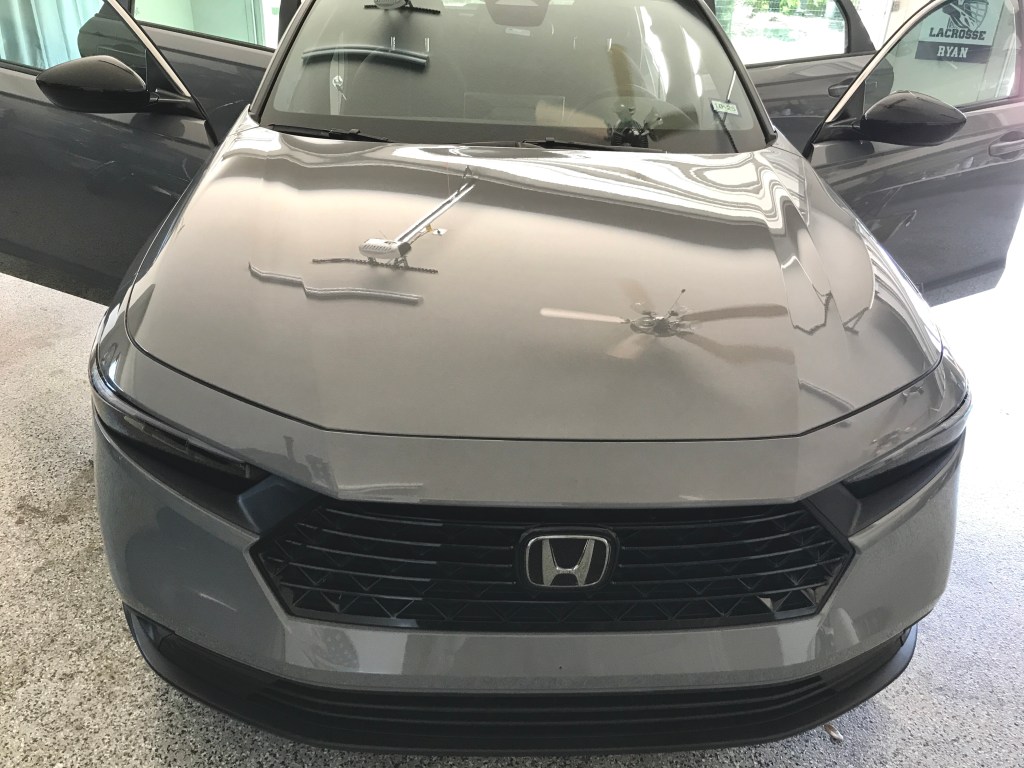
While most people think detailers just “wash-n-wax,” that’s really not how it’s supposed to go. After all of the aforementioned steps (decon and paint-correction) have been conducted, I apply paint protection that combines the best balance of strength, shine and longevity. Waxes are the easiest to apply and offer glow and visual depth, but don’t really last more than two months (not worth it on a daily-driven/outdoor-parked vehicle). Sealants aren’t quite as lusturous as waxes, but offer a couple more months of durability. Top-shelf ceramic coatings (the good ones) take a lot more care and attention to apply, but provide extreme water-resistance, effortless washing, and a mirror-like shine for 18-24 months at-minimum.

Are there waxes that can make a show car look outstanding? Are there waxes that are enjoyable to apply on a nice day? Of course. But if you’re looking to outsource that kind of work (via my services), I will always first recommend a ceramic coating for the value and protection it provides. If you have that classic garage-queen that rarely sees the sun and deserves an old-school approach, I’m happy to oblige with a concours wax. 🙂
Wet-sanding
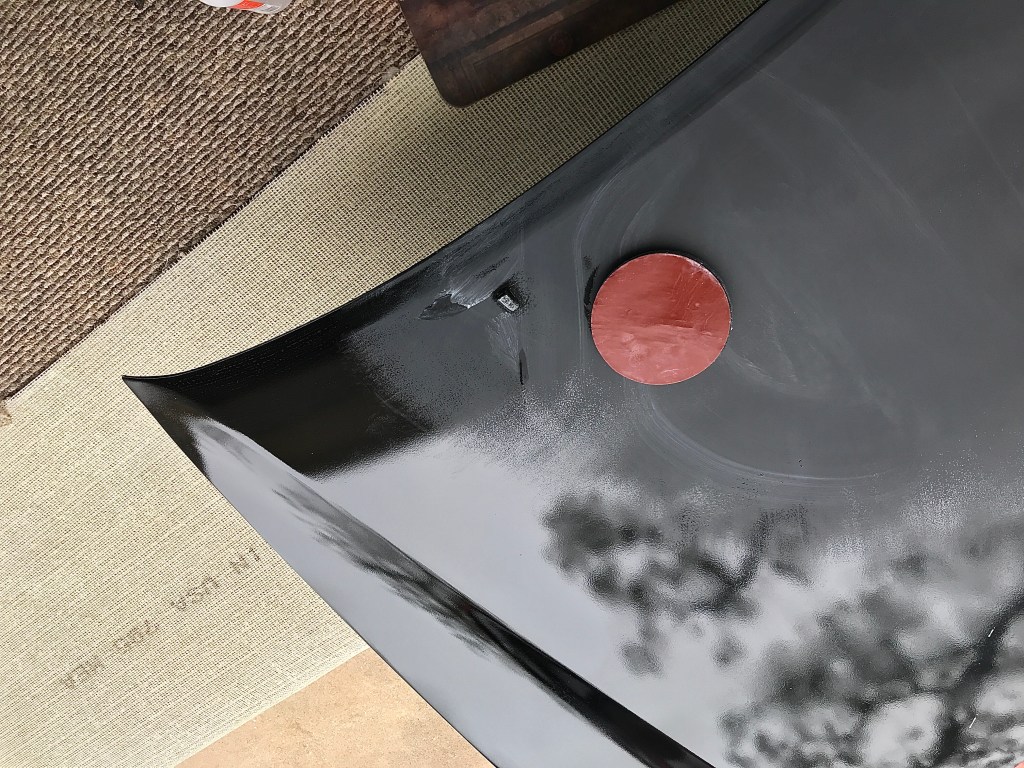
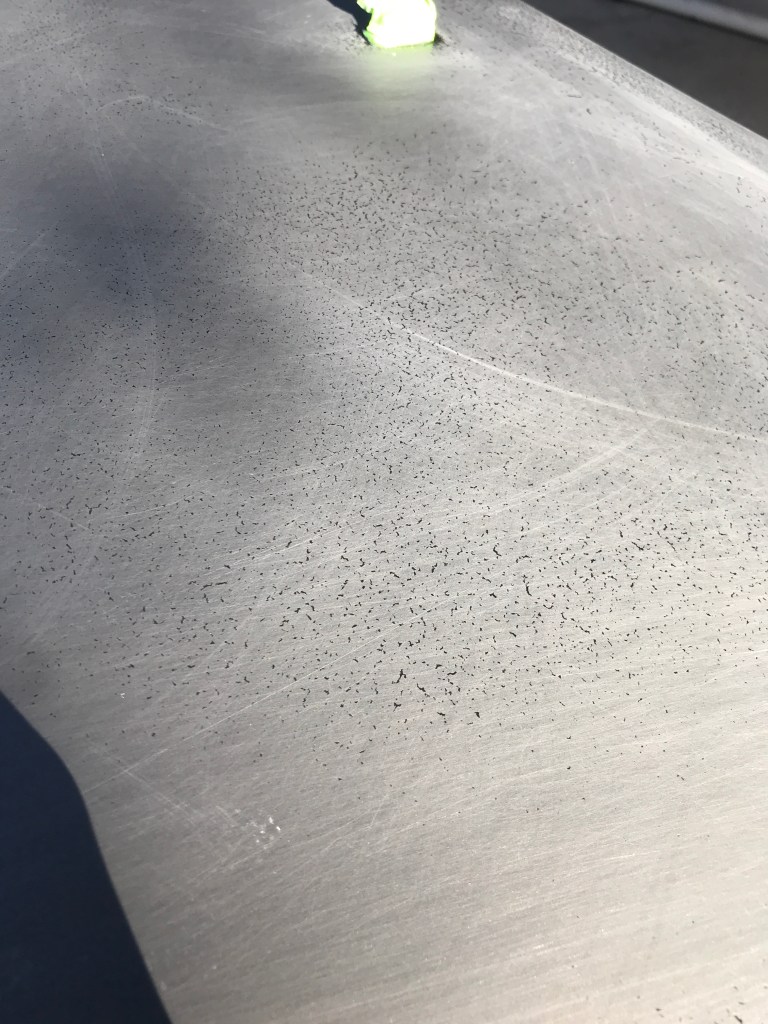


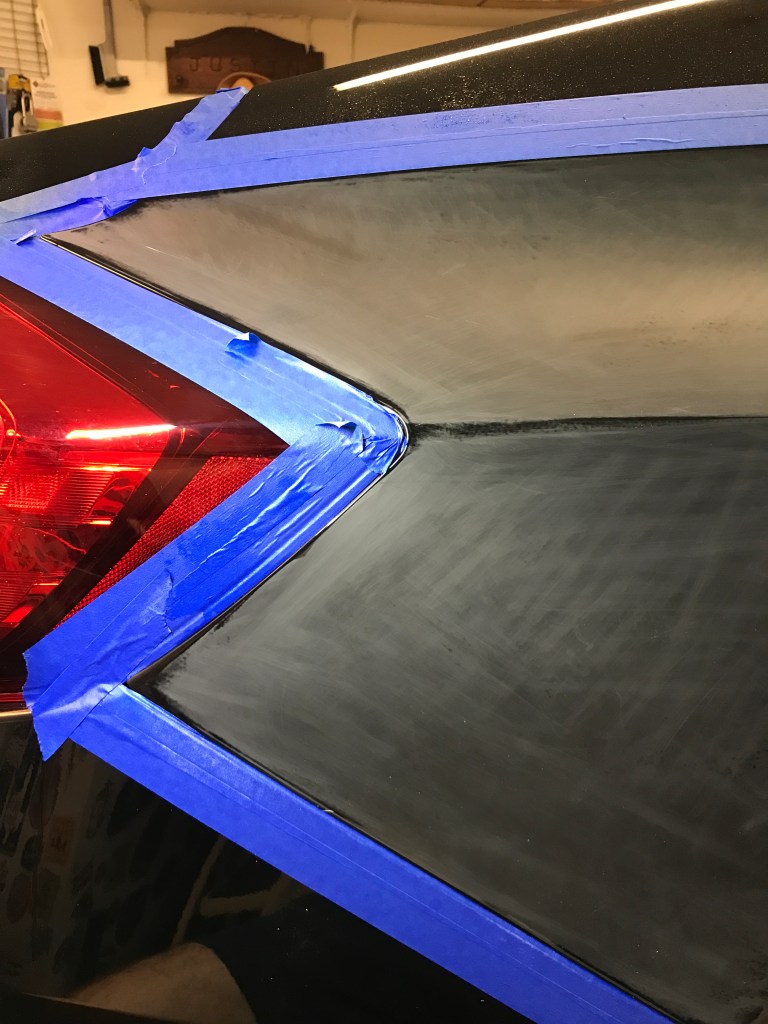
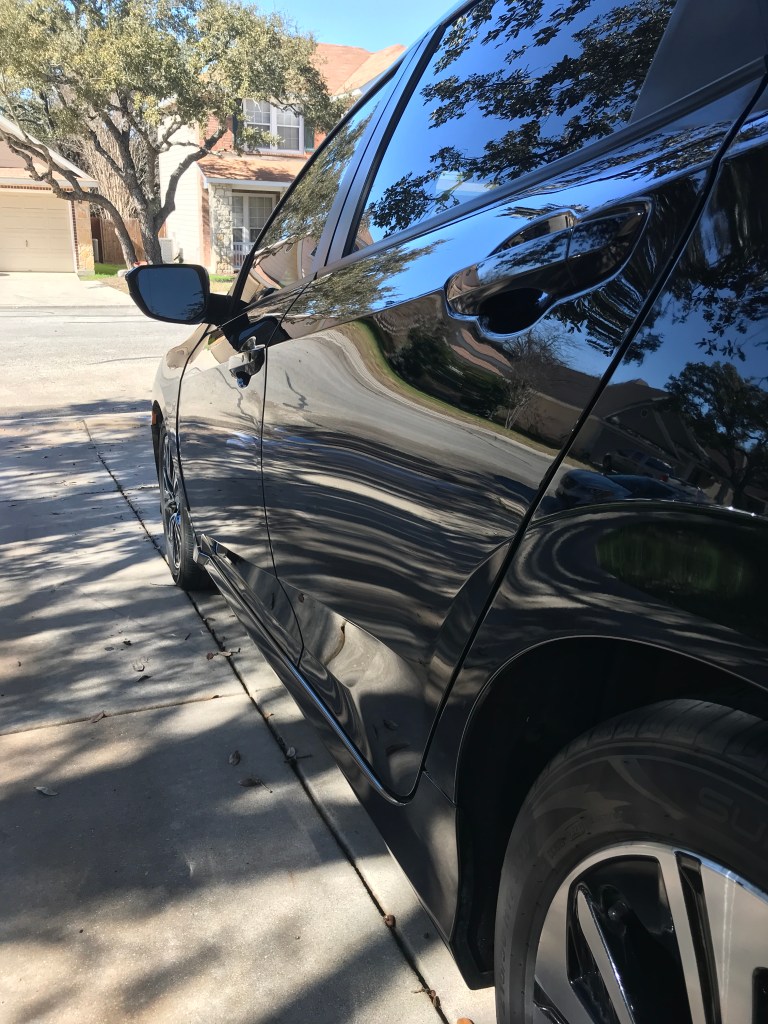
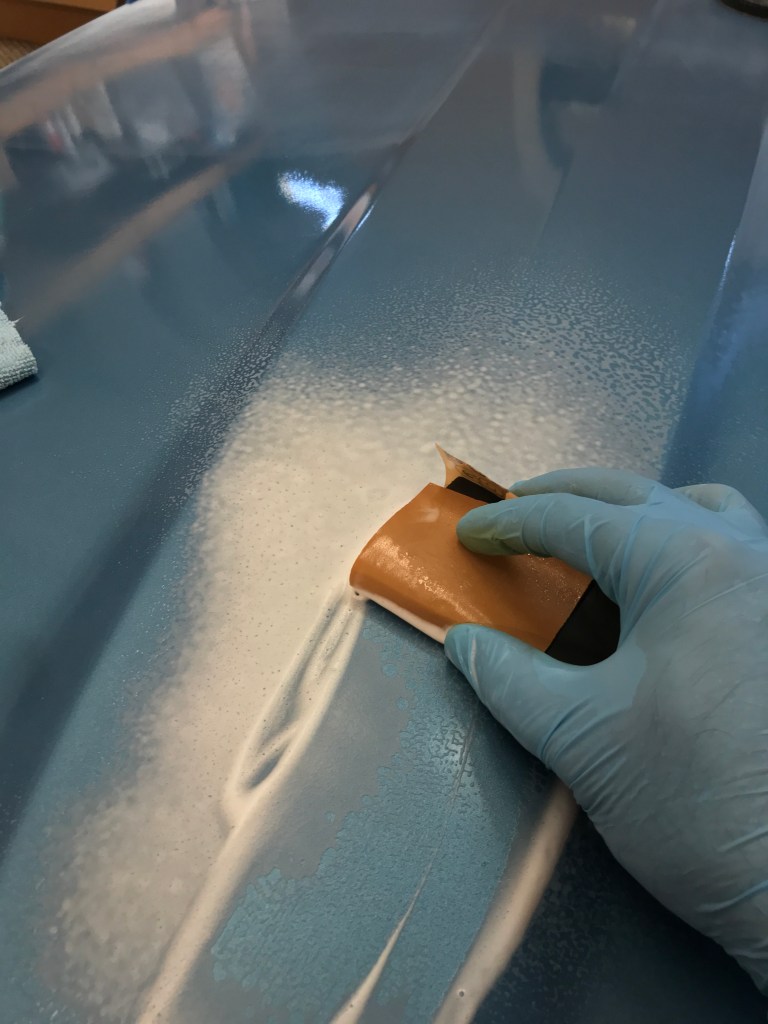

Wanna know how some cars look like a mirror all the time? Ever been to a car show and seen that resto-mod that looks like it’s just dripping with shine? The secret is wet-sanding. Wet-sanding is a process that I actually do not recommend to a client unless they are familiar with it AND have enough clearcoat on the vehicle to accept the risks involved.
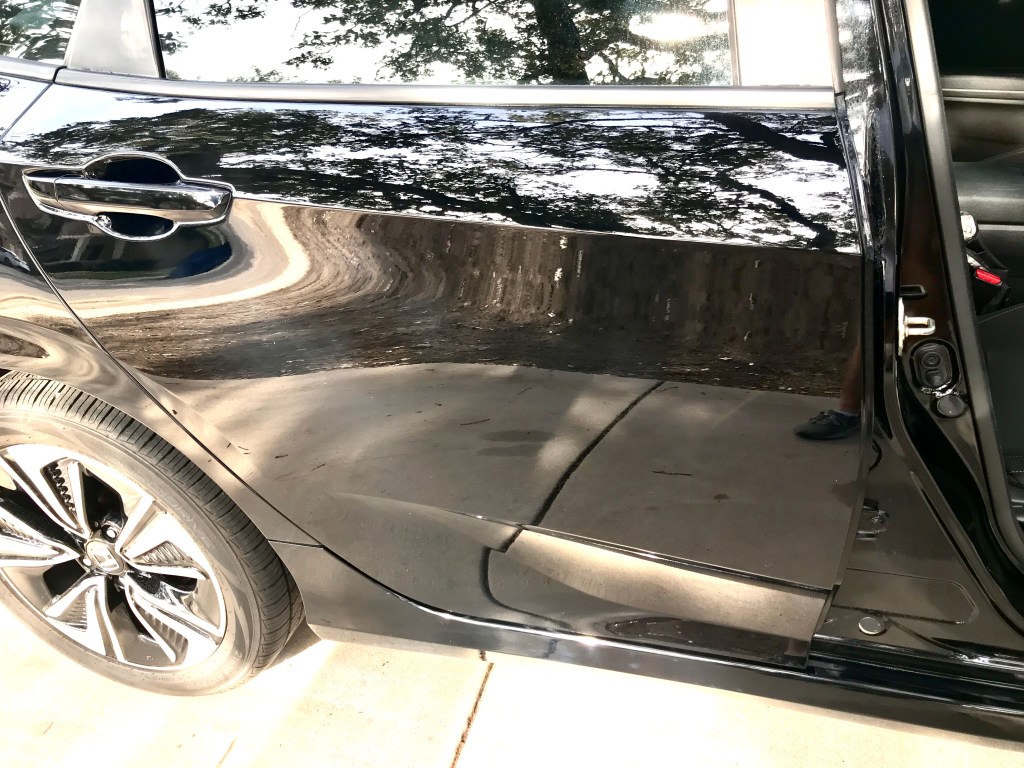
Wet-sanding is not for the timid, and is largely unnecessary for any typical factory-painted car. That said, it is commonly done to repainted panels to ‘flatten’ the clearcoat and provide the truest mirror shine. I take the least-invasive approach possible (starting with 2,000-grit), and work my way up to 5,000-grit before I’m machine-polishing.
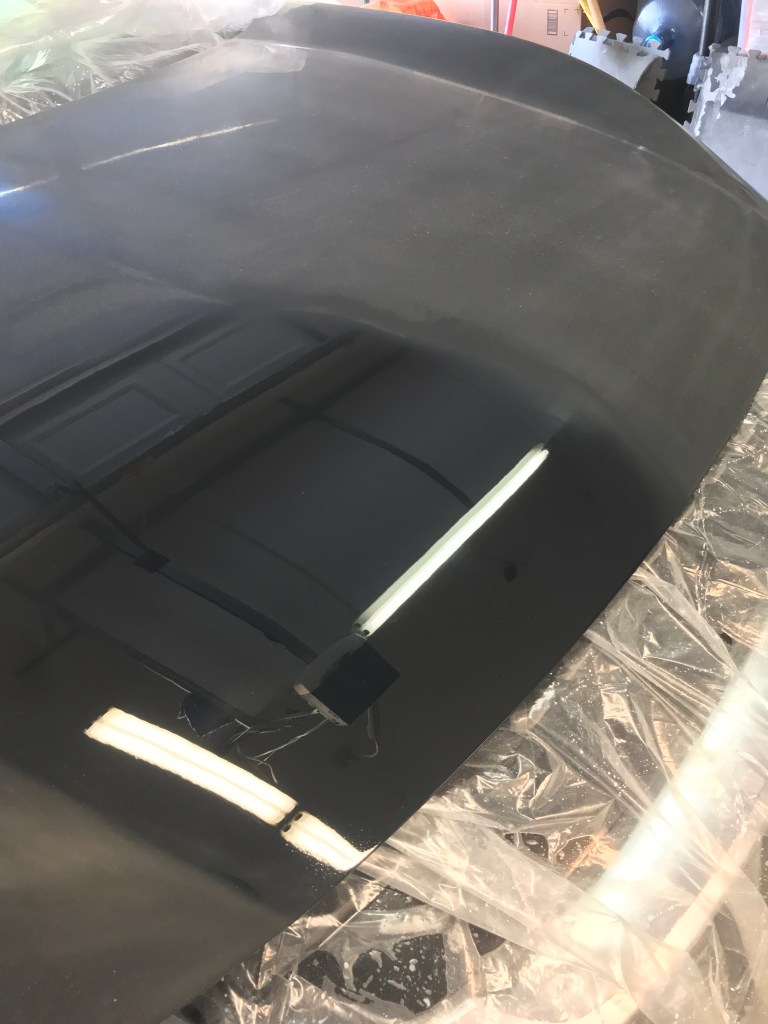
The results are more than a flawless shine – a wet-sanded/polished car will look A LOT cleaner than it really is due to how well it reflects available light.
My point is that I do know how to do this work, and will only offer it to a customer who is truly seeking this level of surface-correction.


Panel-Replacement & Repainting
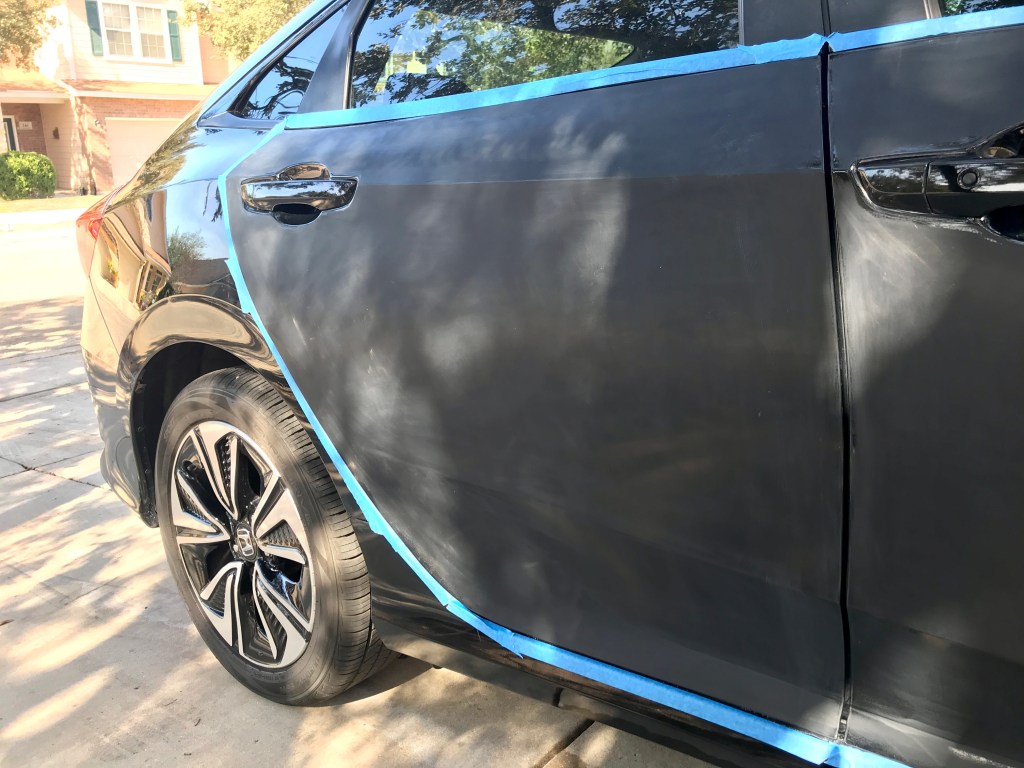
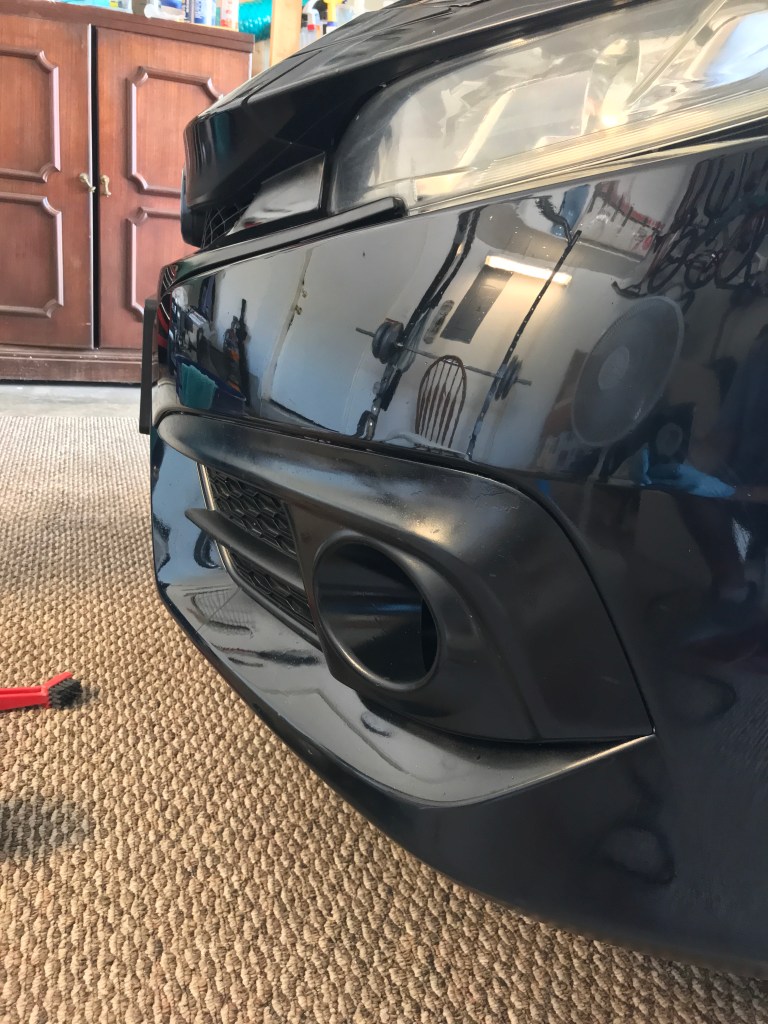
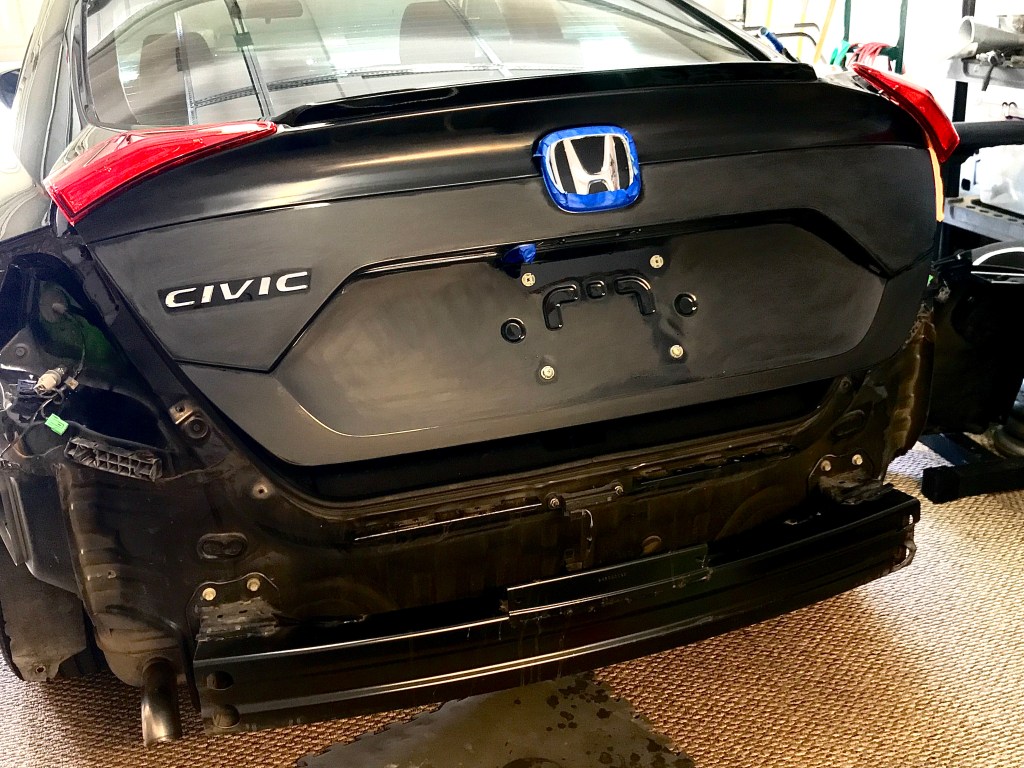
While I’ve repainted panels and done many touch-ups before, it’s yet another service that is one that I don’t offer as my primary service. It takes a while, it’s a lot of work, and it is best for cars that can give me a week do get it done.
But if the stars align, what it does do for you is save you a lot of money compared to a body shop. Go ahead and get a quote for a panel repaint at a reputable shop, or from the dealership’s auto body department. After that, contact me.
When I repaint a panel, it is matched to the car’s factory paint-code and done with the same materials the full-time pros use. The clearcoat I use should offer 15+ years of UV protection, and it will get wet-sanded to perfection as a part of the job. Yes, I use an extra coat of clear to factor that-in…


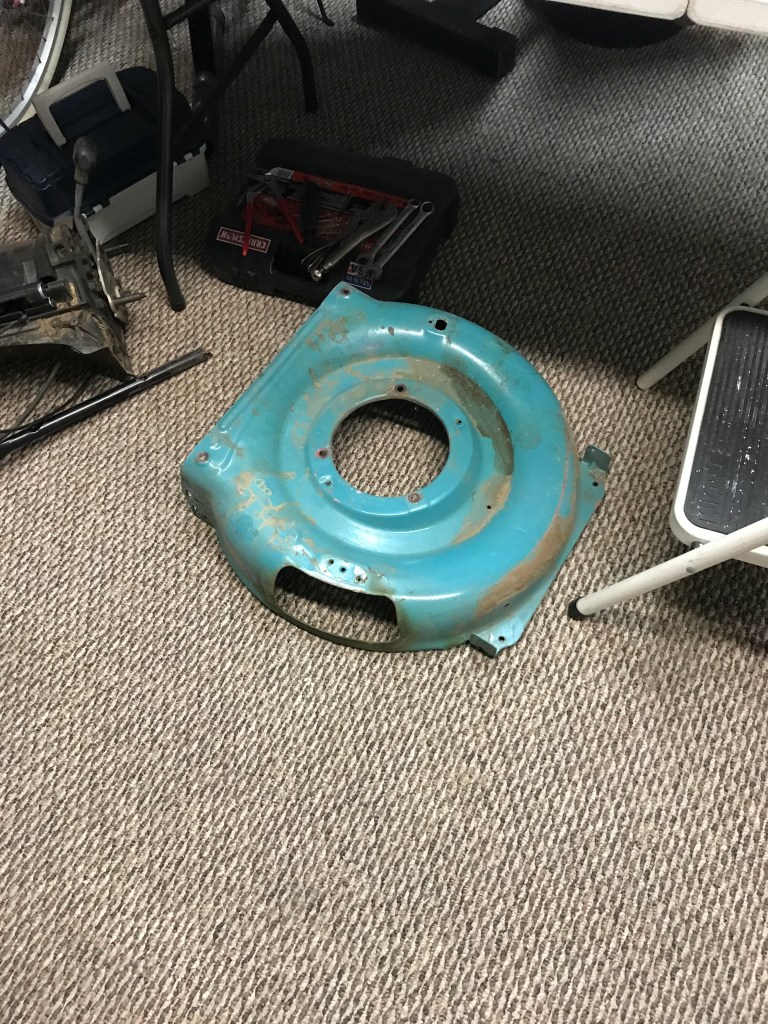
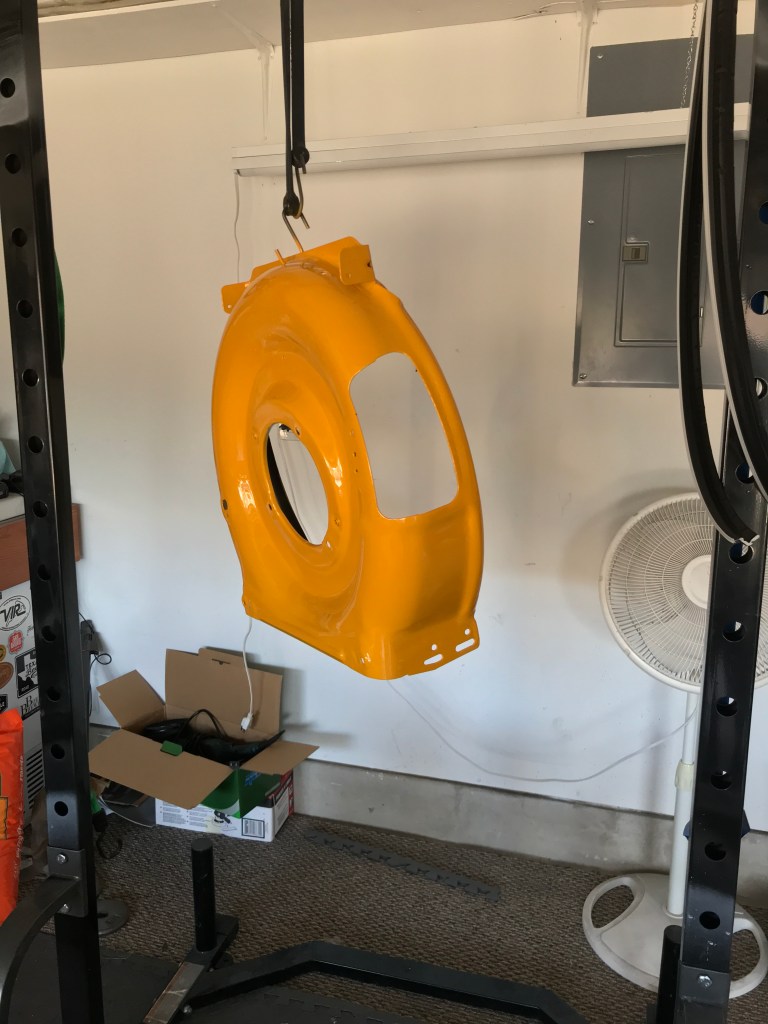

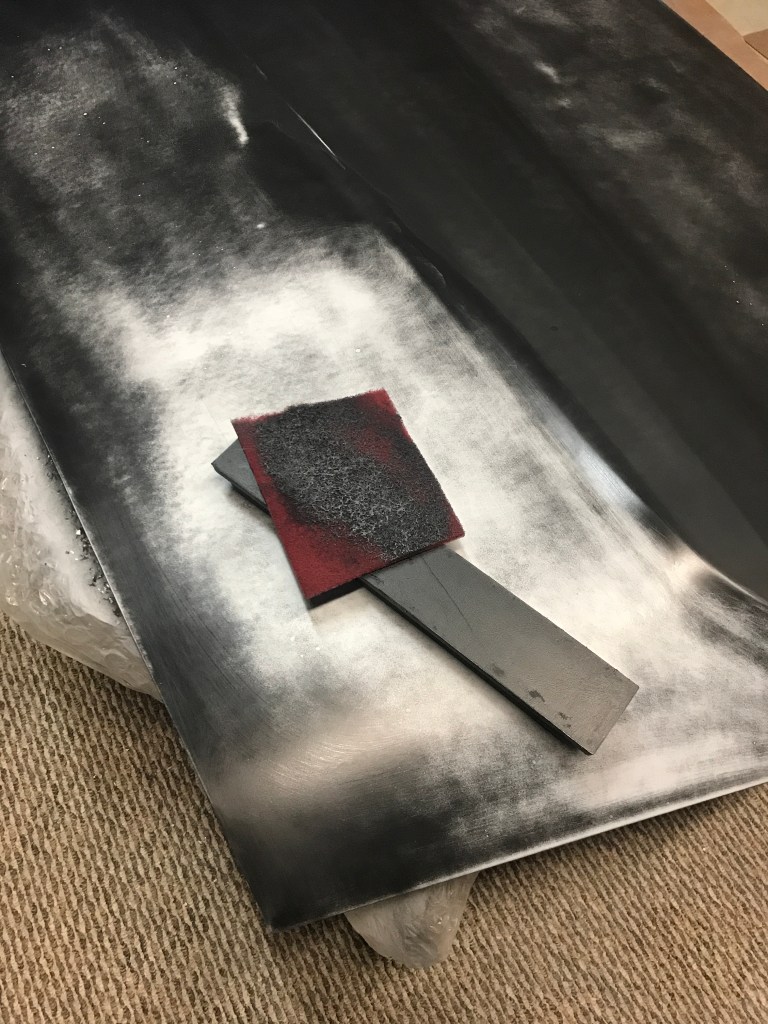
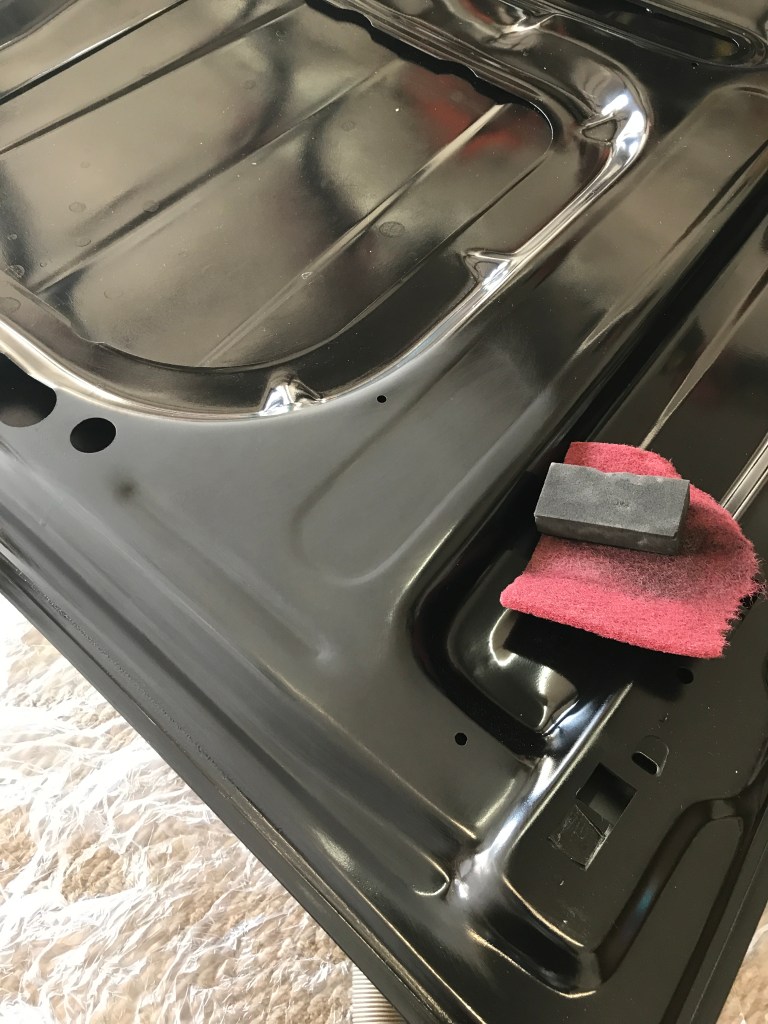
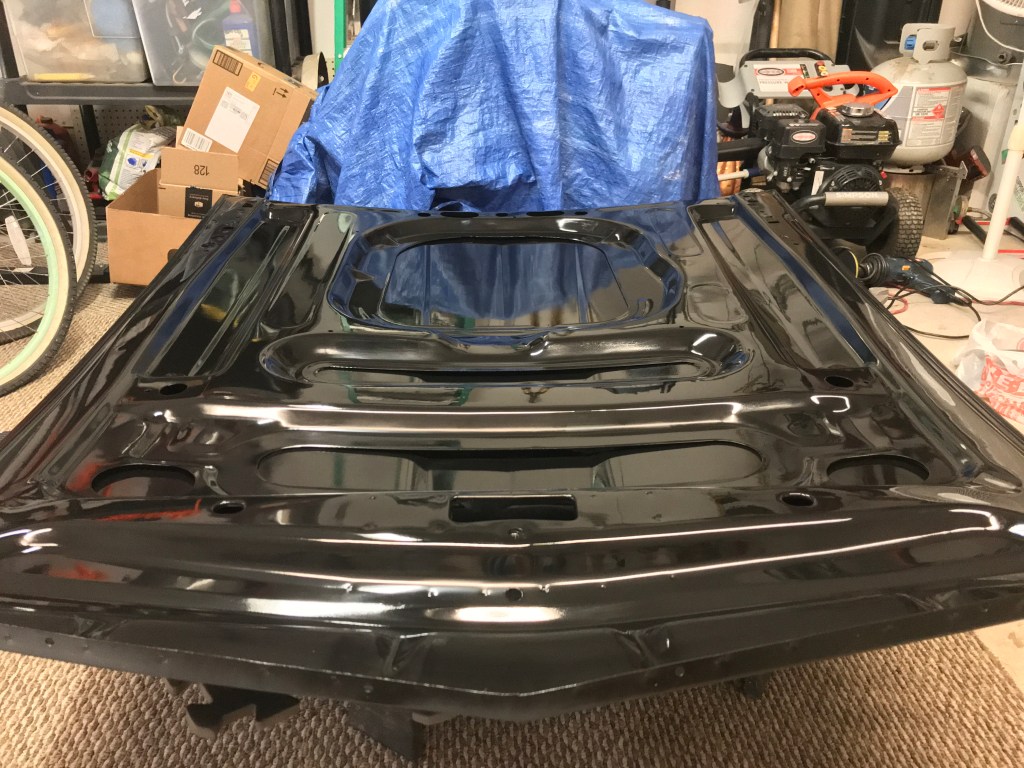
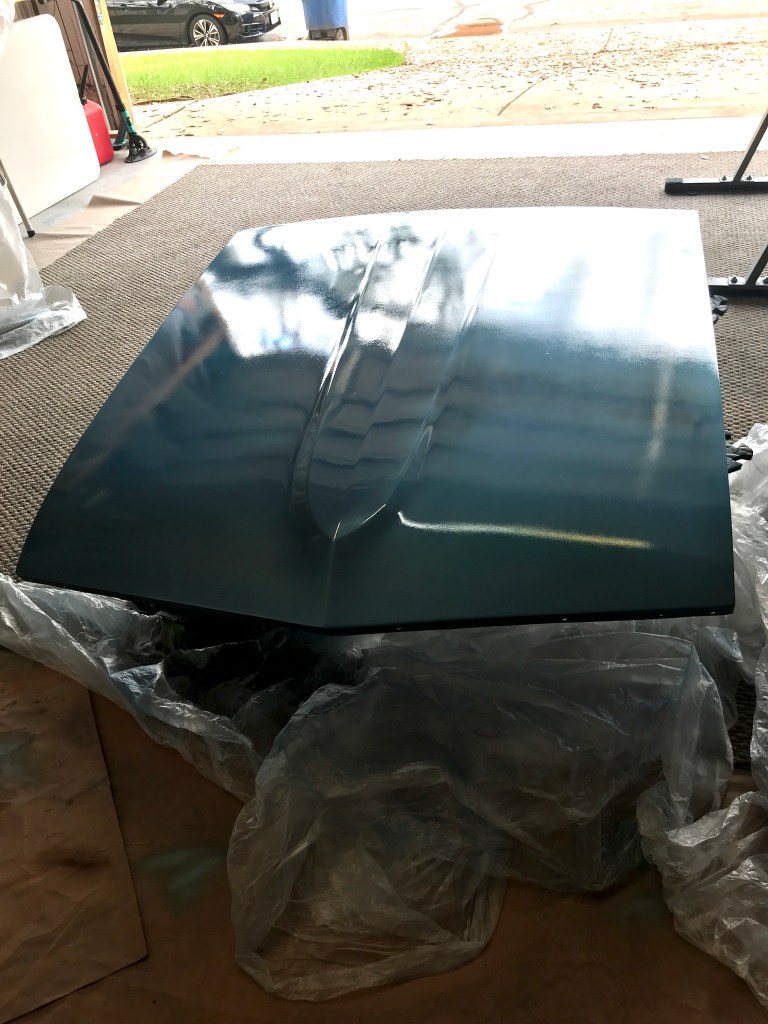
Below are some photos of a 1969 Mustang that I am working-on. The hood is a new replacement. I prepped it, primed it and block-sanded every surface on the top and underside…multiple times. The paint color is Ford’s Winter Blue Poly, and the clearcoat is USC’s SprayMax 2K Glamour High-Gloss Clear. That’s right, it’s an aerosol can application, and completely different than the Rustoleum cans you might be thinking-of.
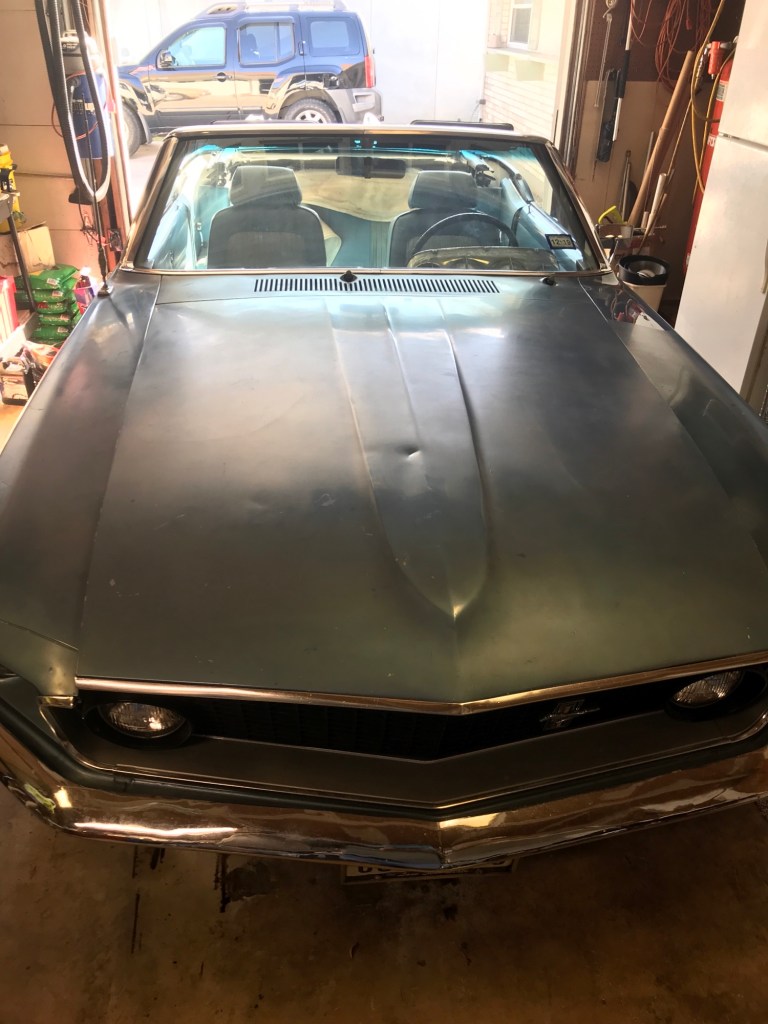
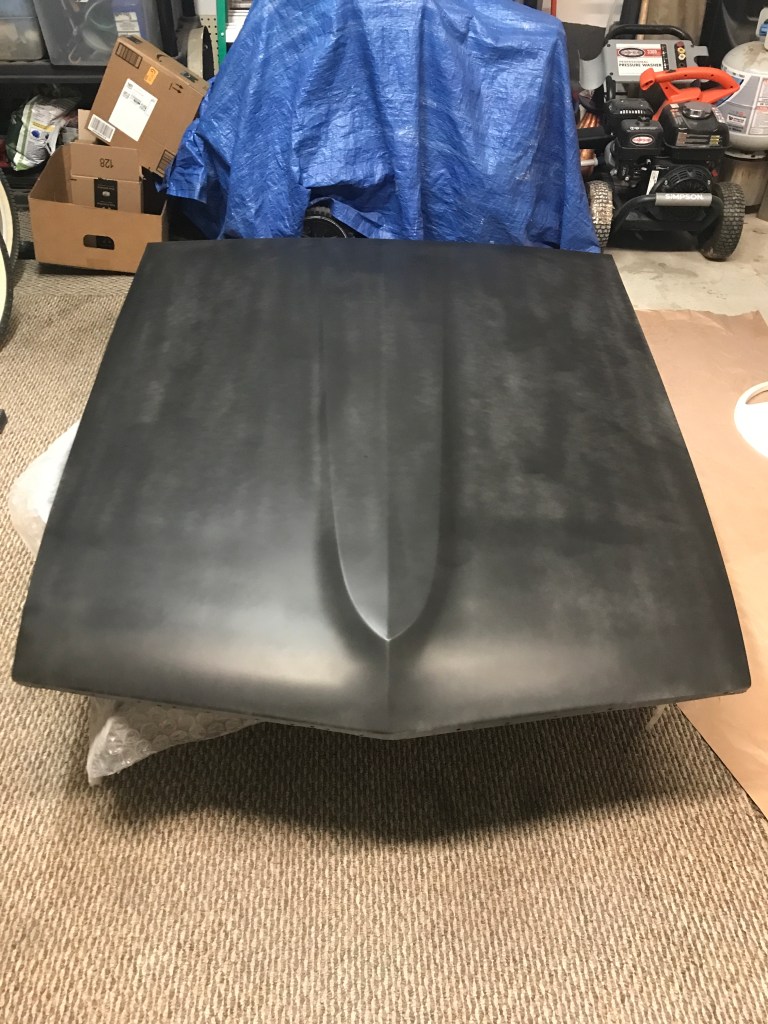



If you have a high-value car that has an isolated exterior problem, send me high-quality photos, the factoy paint-code, and your desired turnaround time. You can usually find the paint code listed on a label in the driver’s-side door jamb.
Headlight & Trim Restoration
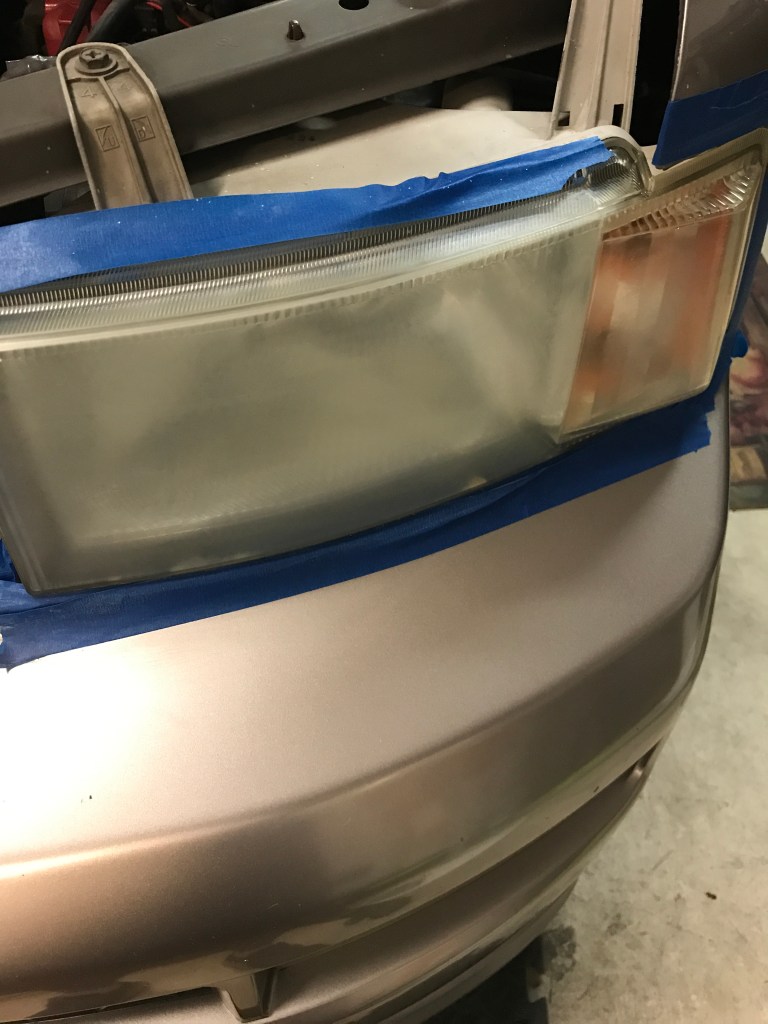
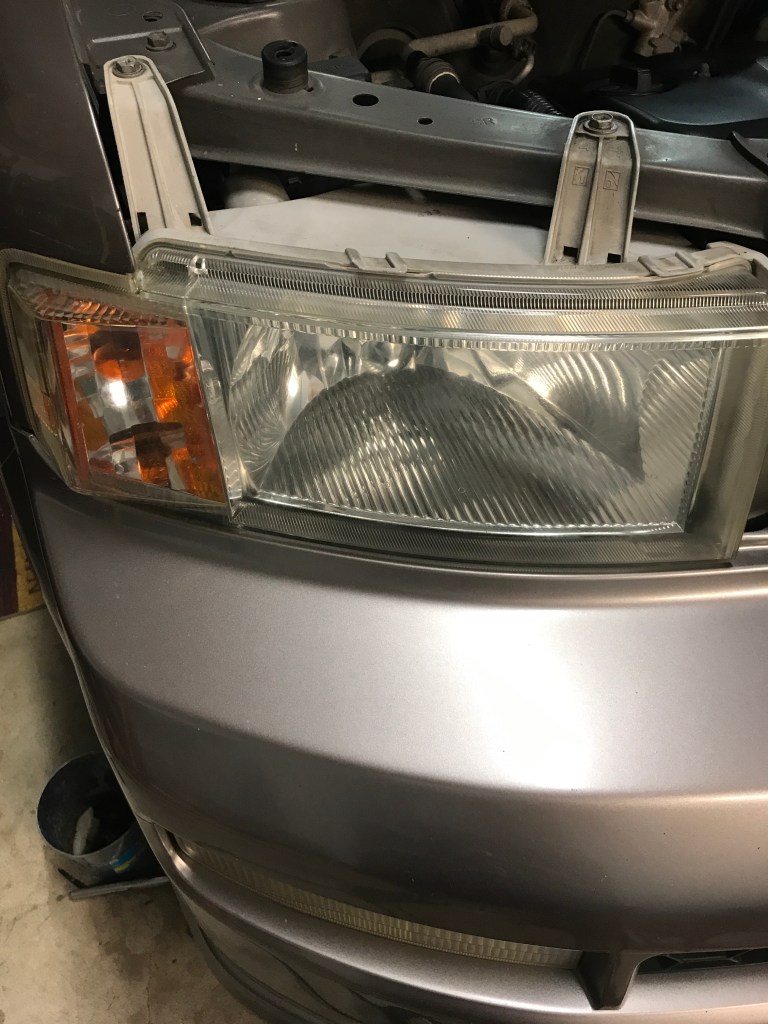
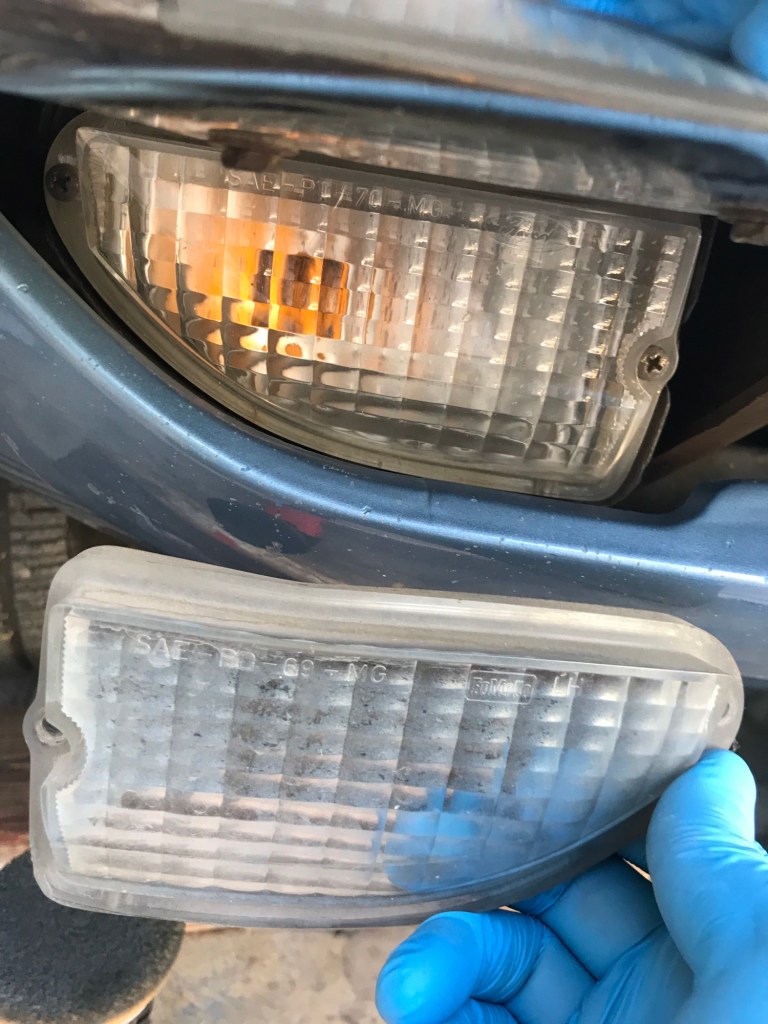
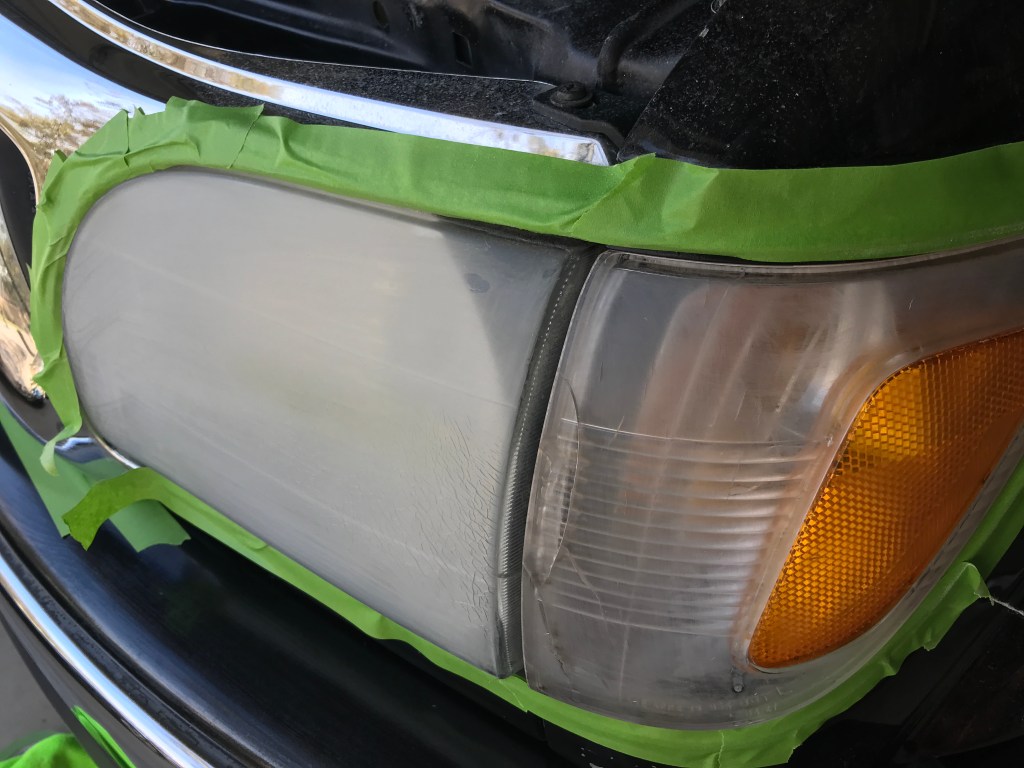

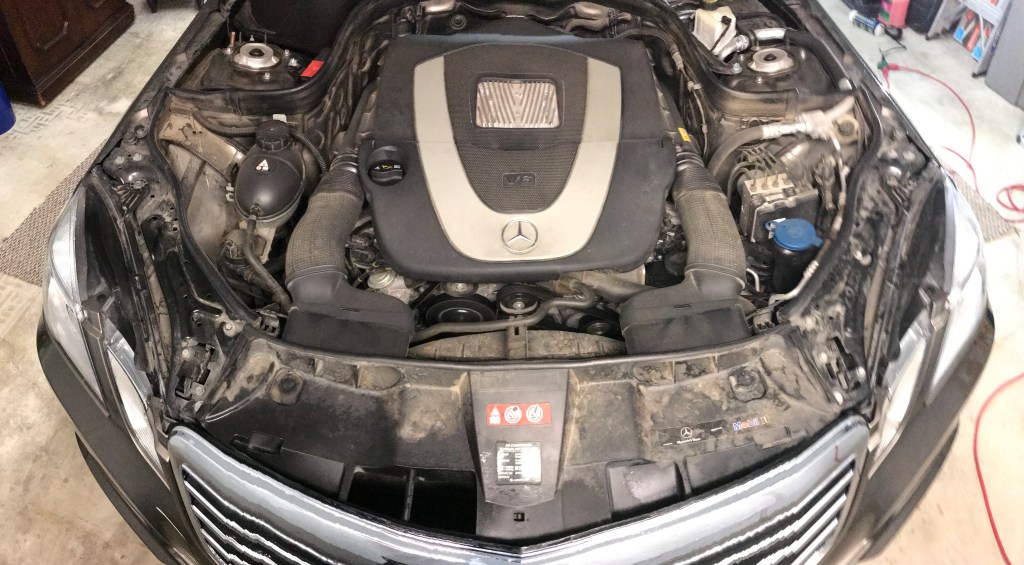
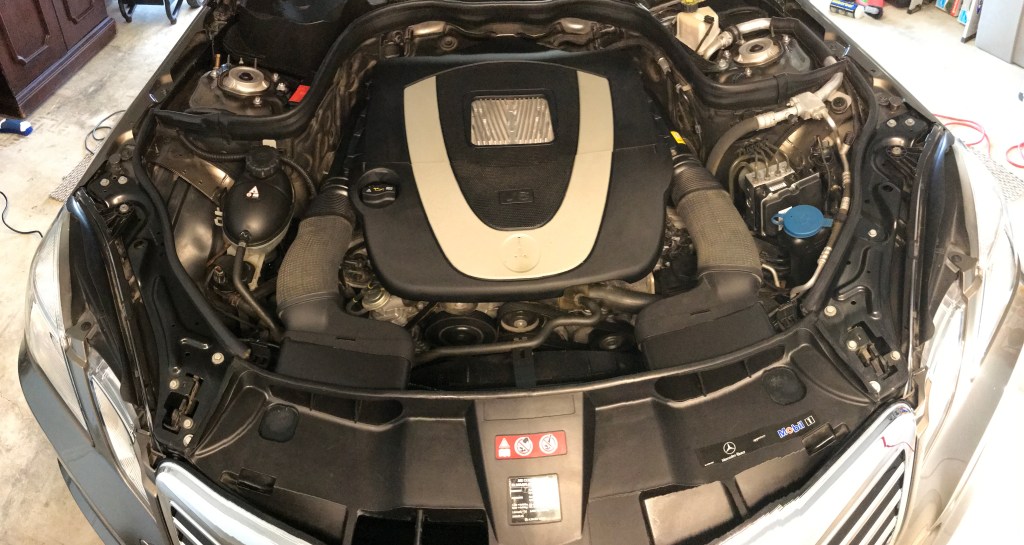
There are parts of cars and trucks that many assume cannot be brought back to a like-new condition. That’s simply not the case. I personally believe that headlight restoration is worth its weight in gold; you can actually see again at night, and it just makes the entire car look better than you’d think.
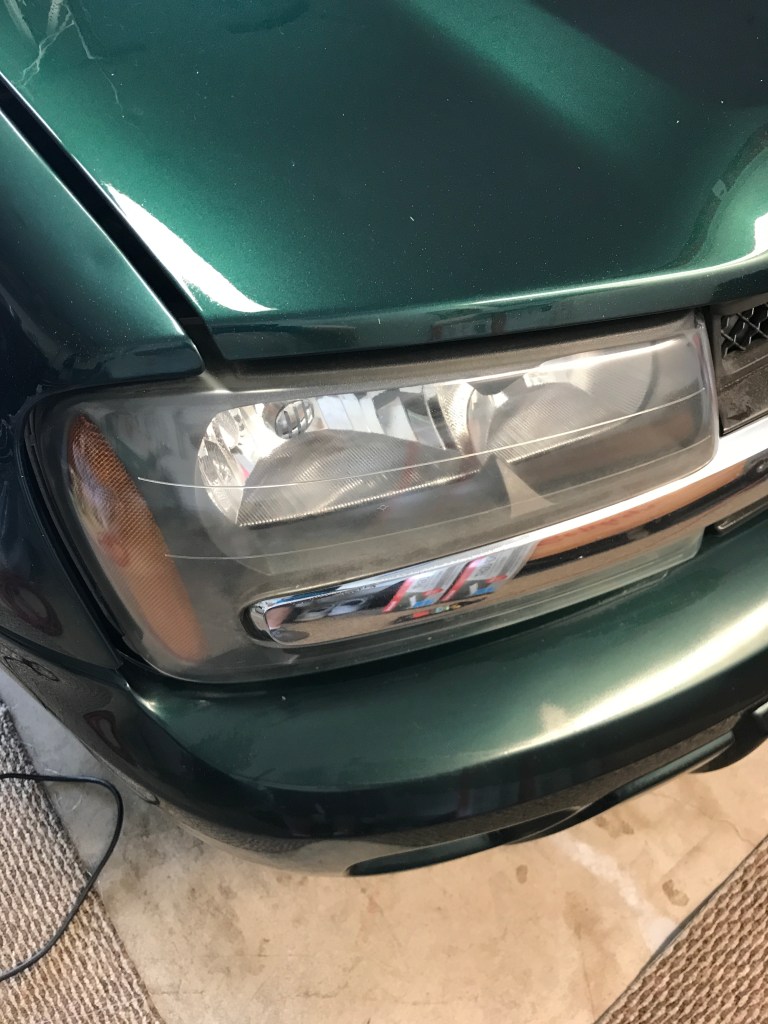

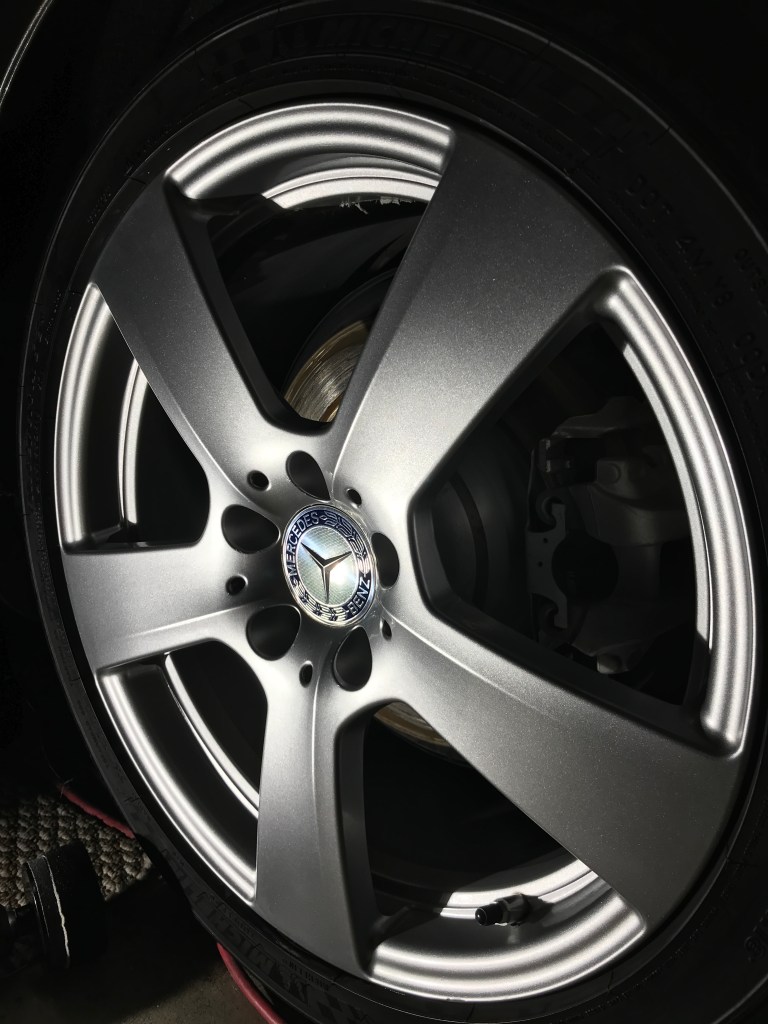
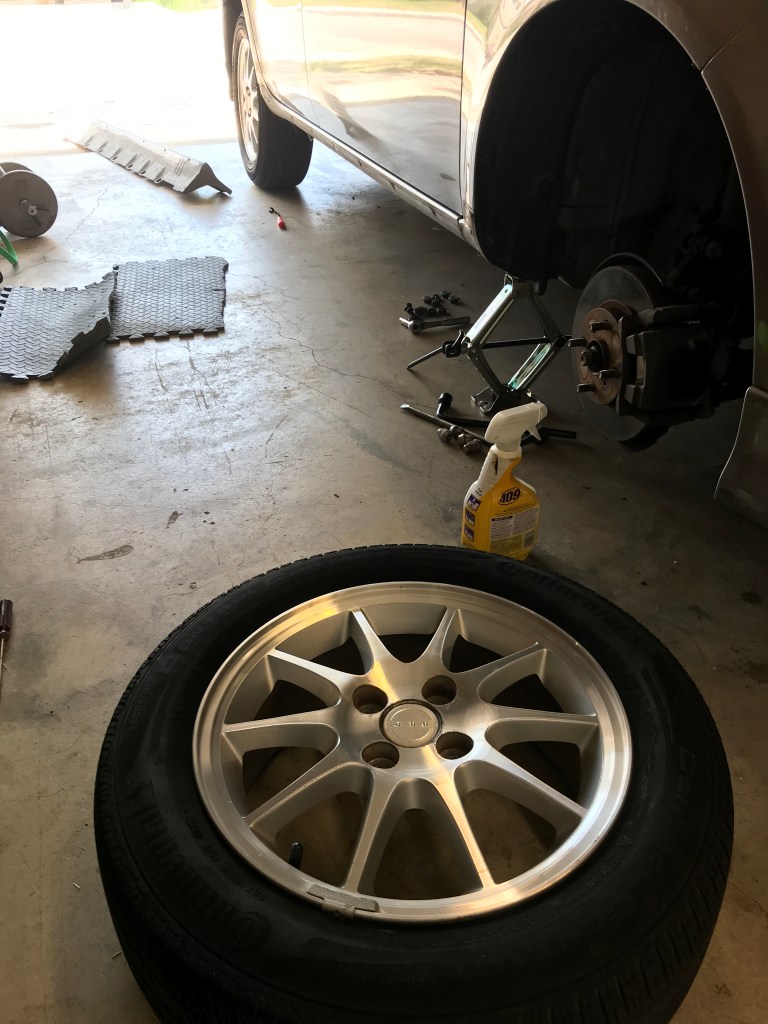
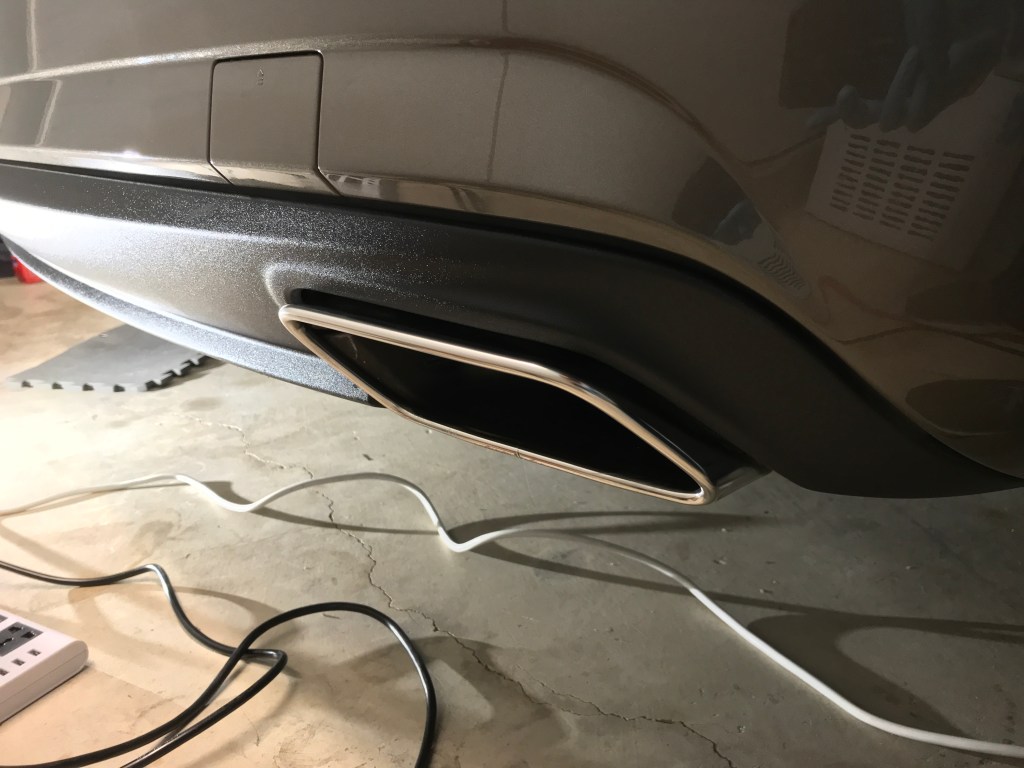


Engine bays, wheels, luggage racks, door sills, chrome trim and wheel wells can be brought back to life with the right techniques and products.
Interior Restoration
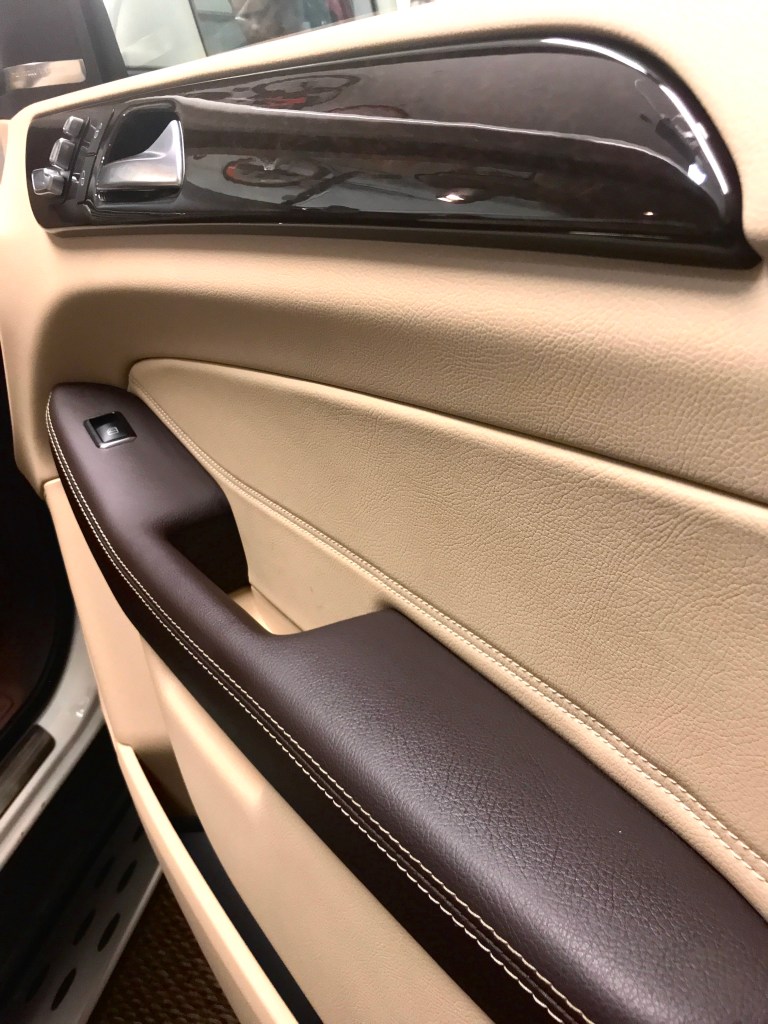
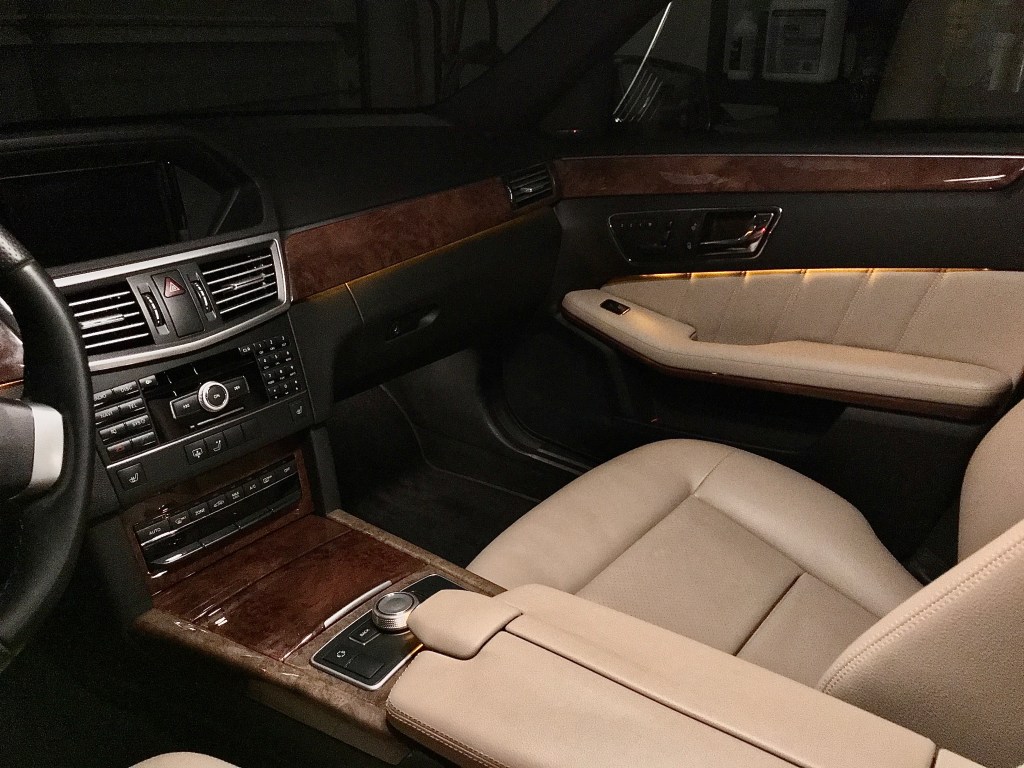


Believe it or not, these pictures are not all the same car! While I’m not as passionate about detailing the interior of a daily commuter car, I can certainly improve carpets, leather and hard/soft surfaces. And if you have that exotic or classic that really needs to be rejuvinated, I have the right stuff.
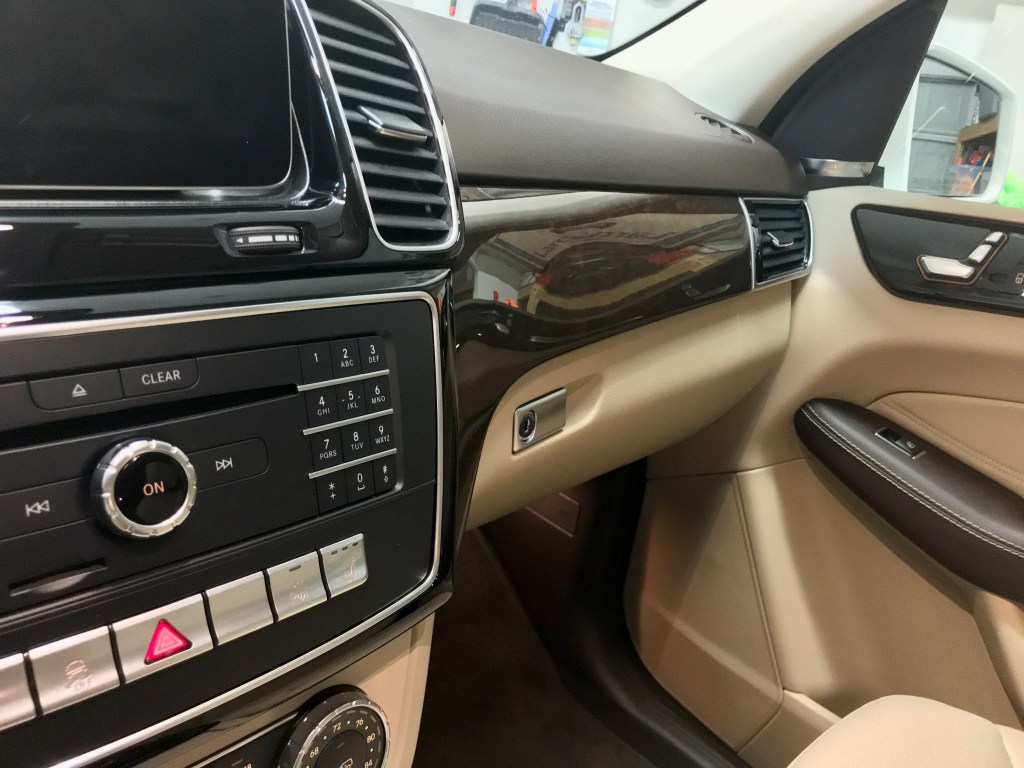

Be warned though: If you have a dog, work in construction, or just don’t really care about the inside of your vehicle, the hard work won’t last very long. Exterior work is my true specialty, and that’s where I’m best employed for what I charge.
Metal Refinishing
Here’s where we deviate from the automotive realm and consider musical instruments, heirlooms and other metal treasures. I have been fortunate to have earned the trust of the Ronald Reagan High School Marching Band’s leadership to cosmetically restore many of their brass instruments, and have countless repetitions behind me to know I can improve just about any hard surface in safe and lasting ways.

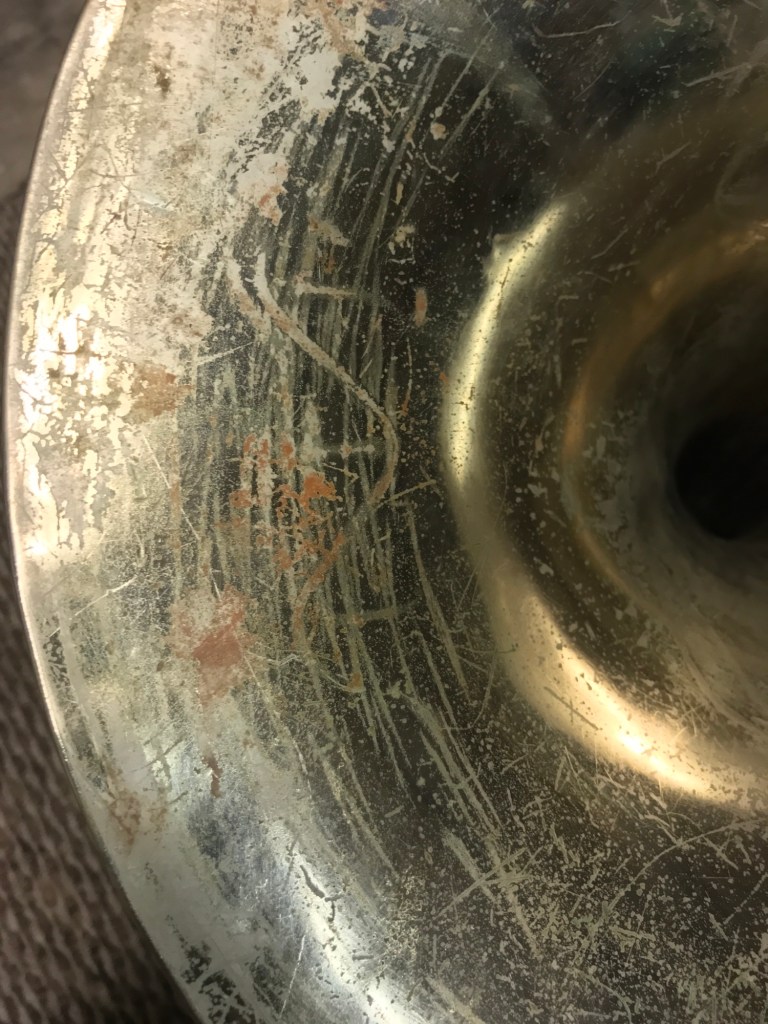

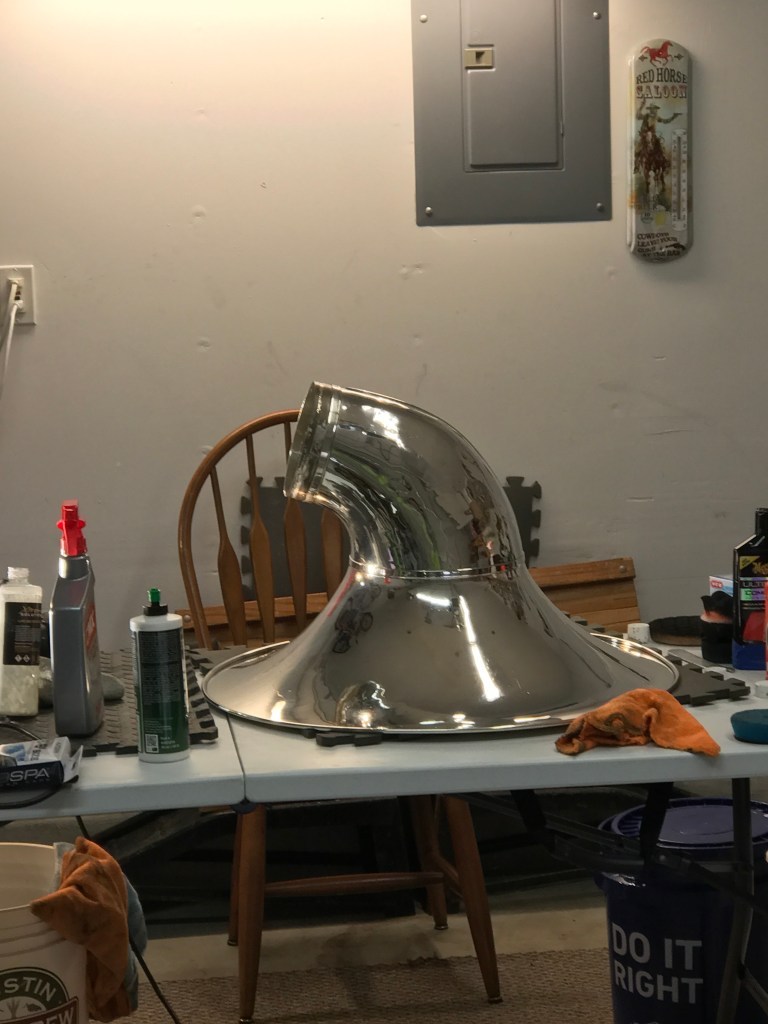
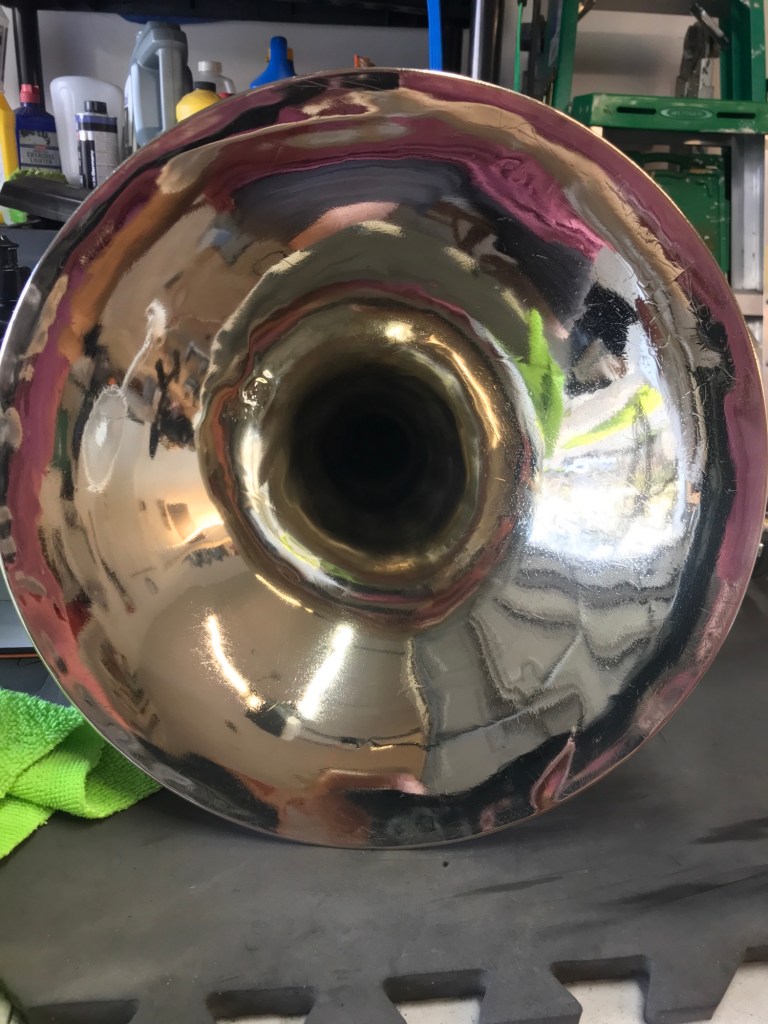

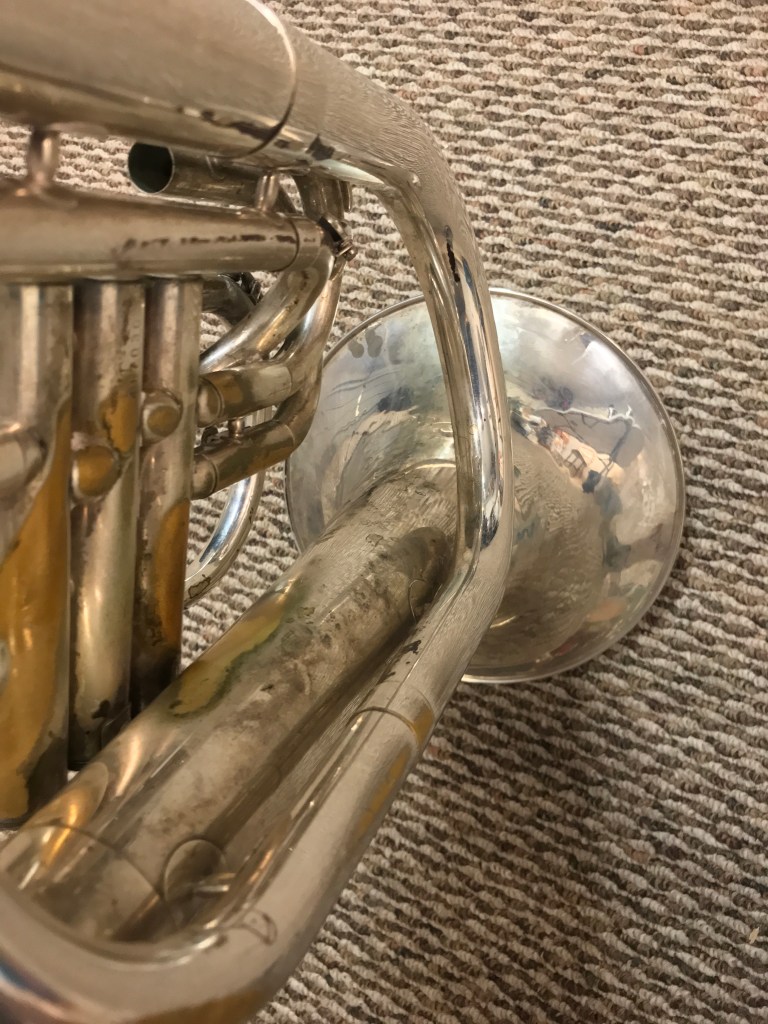

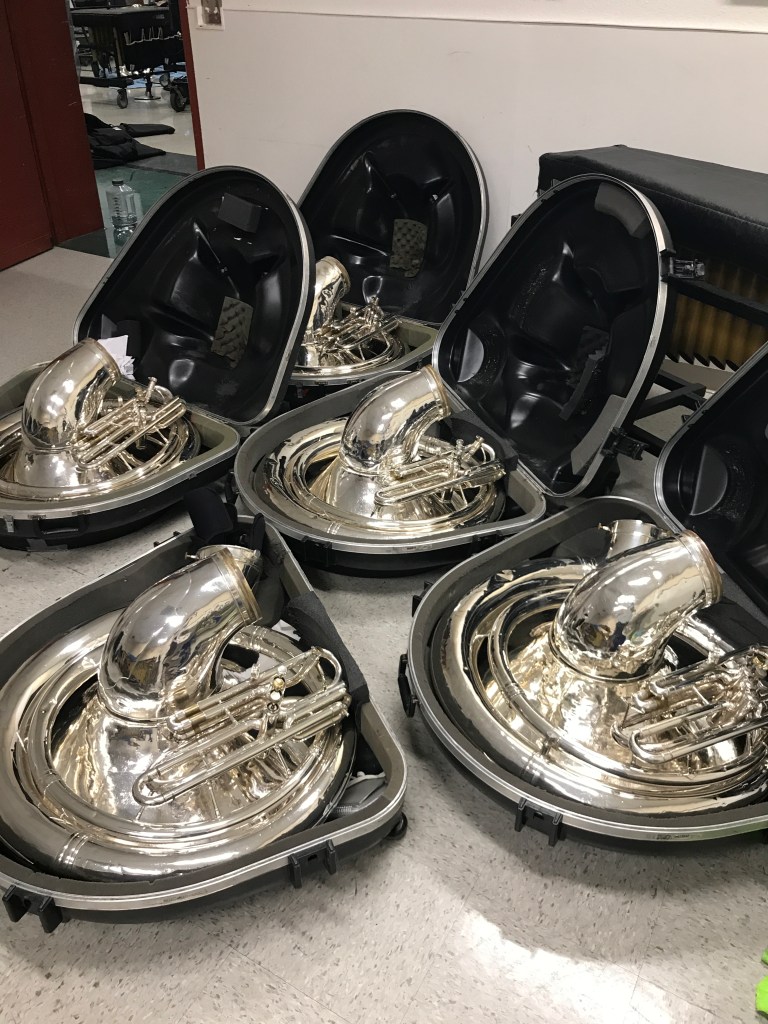

If you have a family member or student that needs a bump in morale, or you’re considering a fleet-level upgrade without having to purchase new instruments, I’d love to hear from you.
 The Glossary